Mulu
A social-first fitness ecosystem blending gamification, AR tracking, and team-based accountability to make working out as engaging as hanging out.
The Challenge: Breaking the Isolation of Digital Fitness
Many fitness products center on individual goals, dashboards, and self-discipline. The opportunity was to create something more approachable: a product that made movement feel playful, communal, and easy to join—especially when in-person group activity was limited. The design question became: how might a digital workout feel less like a private obligation and more like a shared event?
Research & Product Strategy
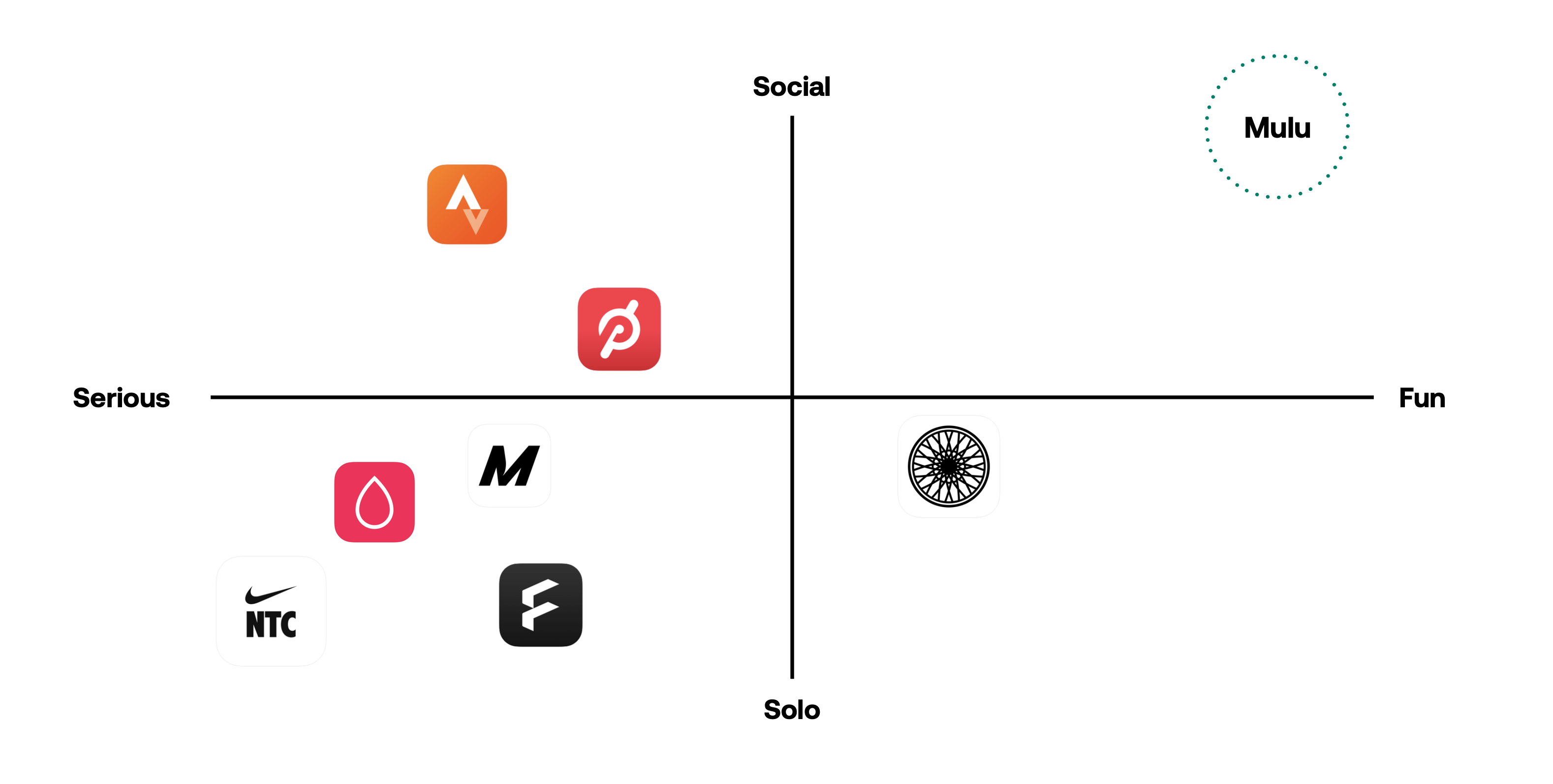
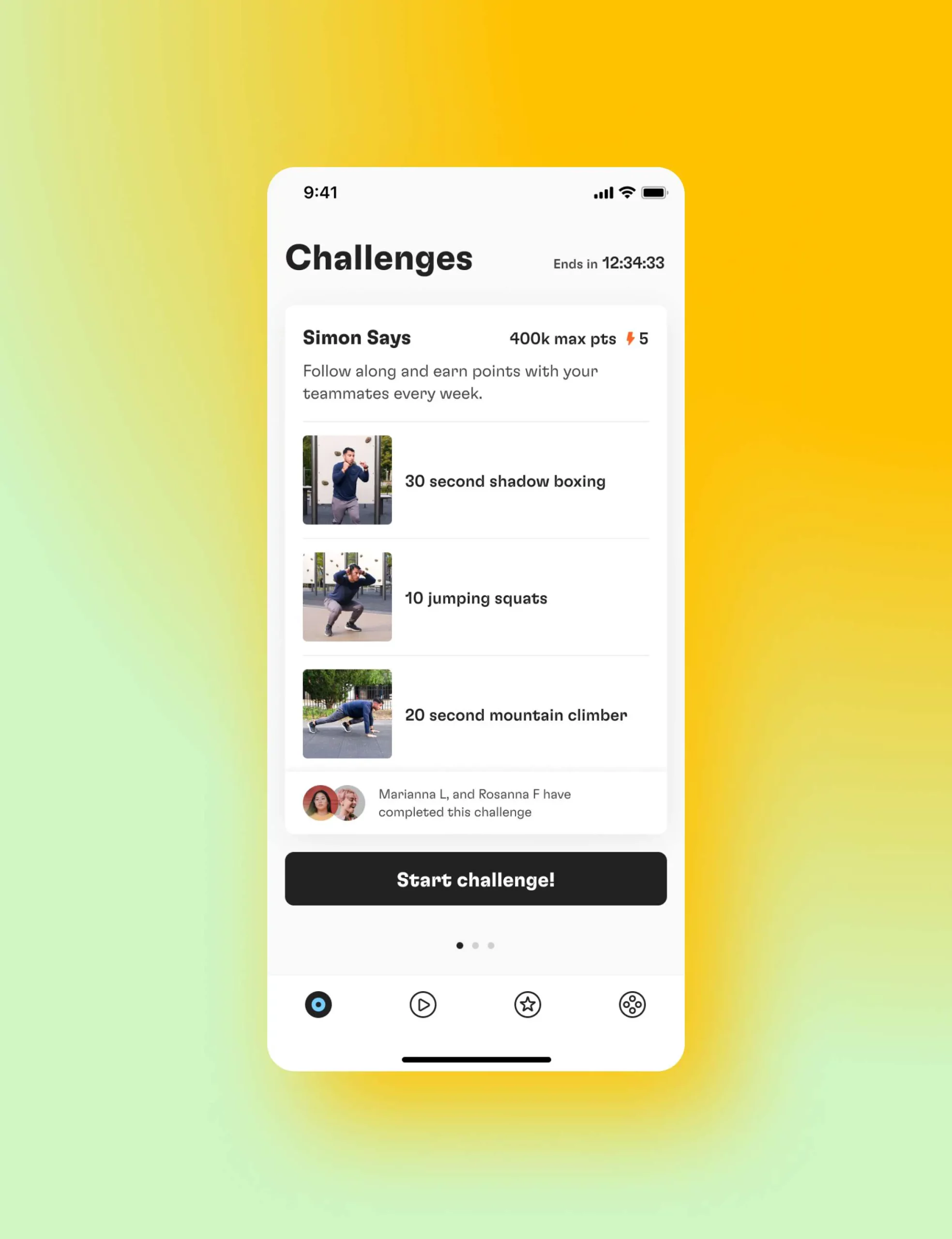
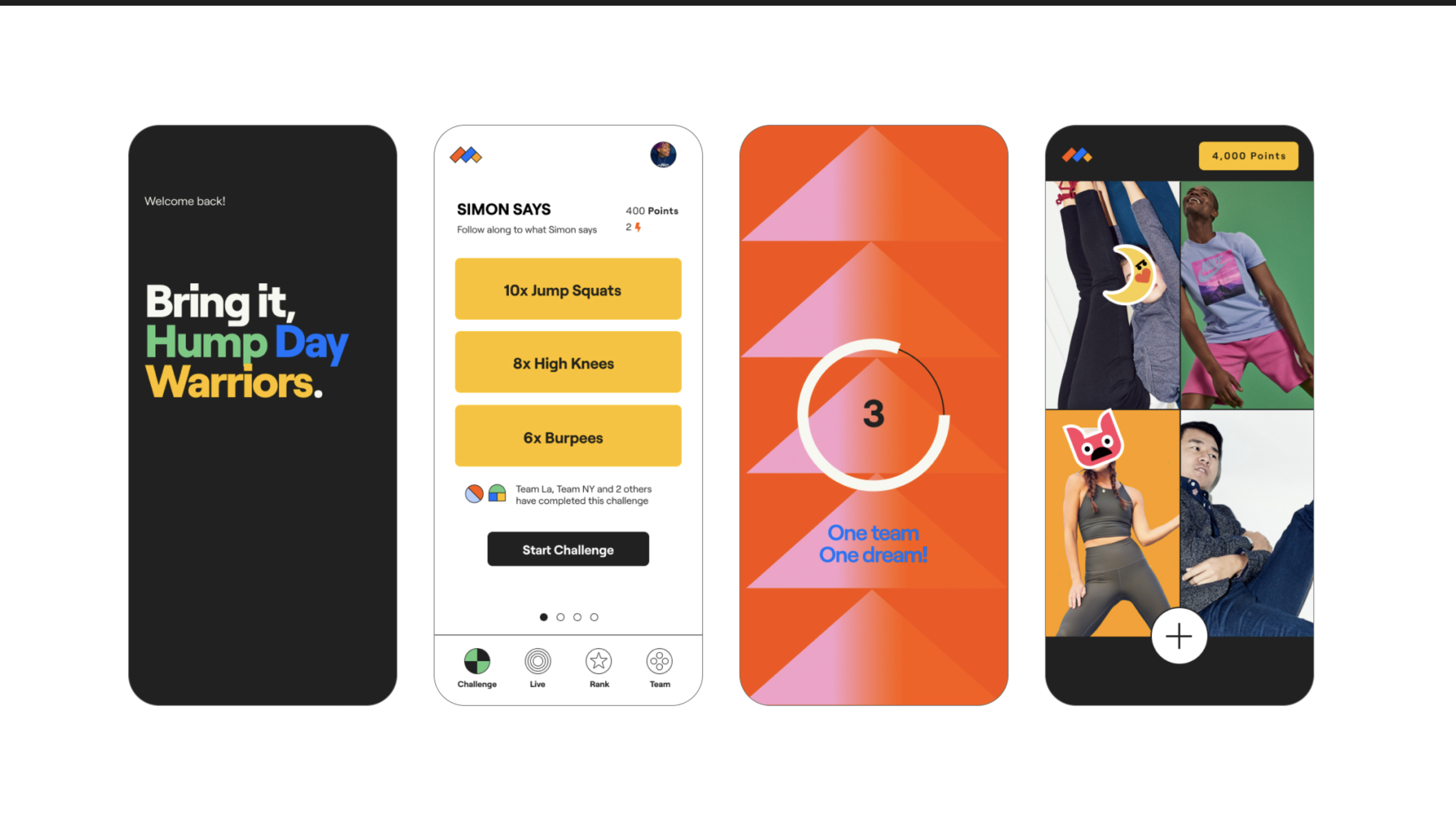
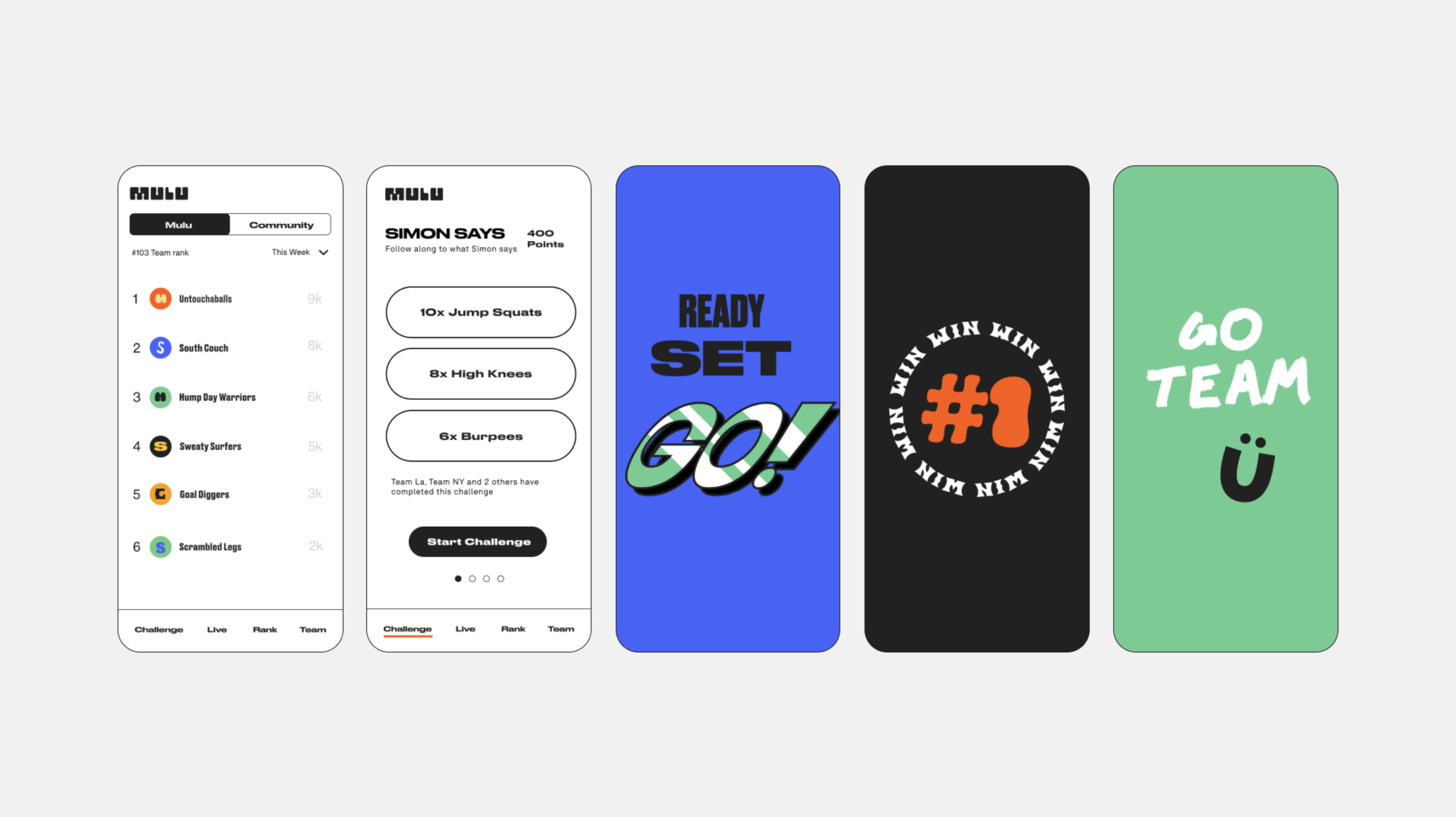
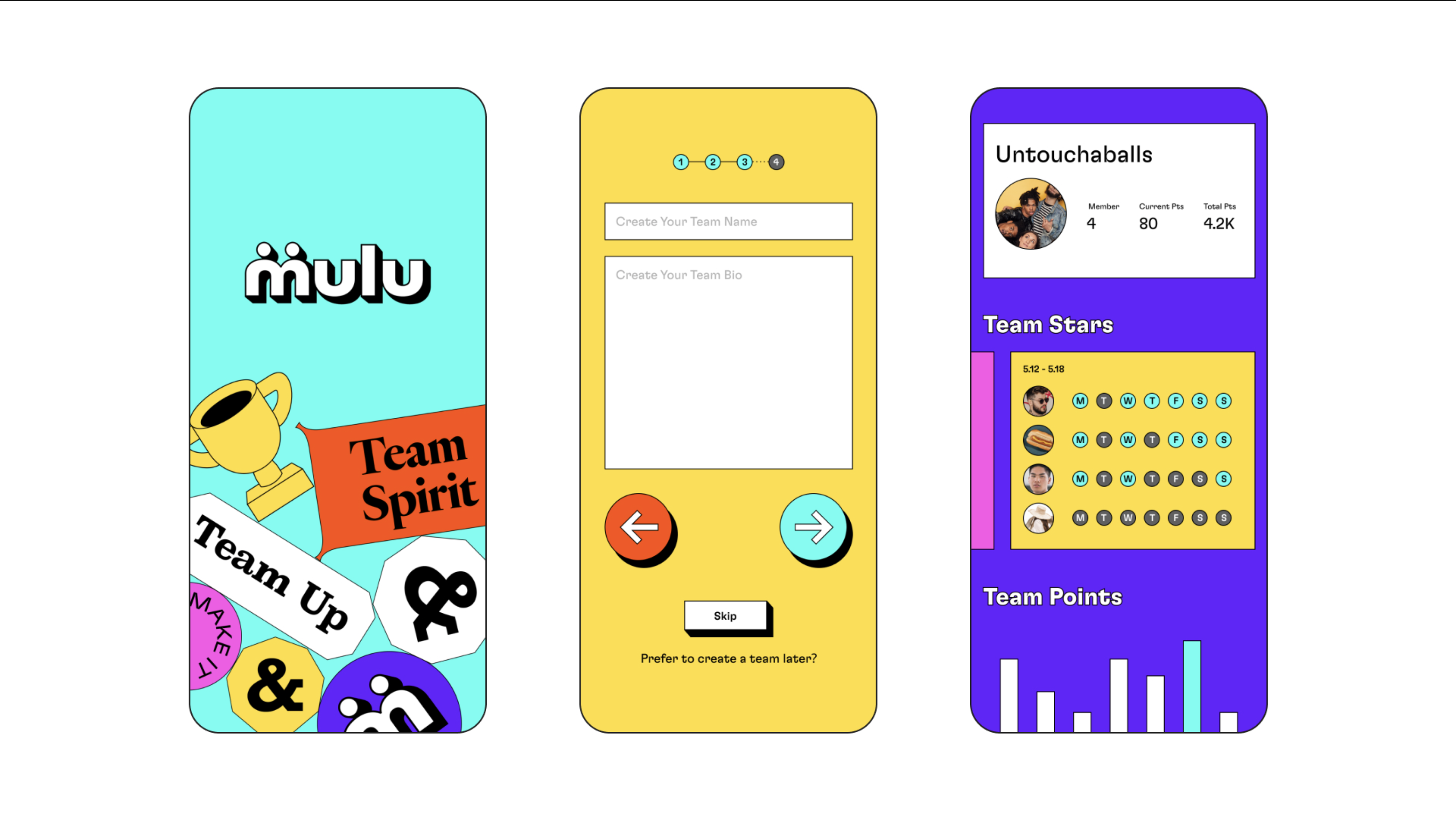
I conducted focus groups with fitness enthusiasts aged 18–24 and mapped how participants moved between workout apps, social platforms, and in-person routines. The research shifted our strategy from building another workout library to building a social layer around movement. Early concepts tried to solve too much at once, but through prototype testing, I consolidated the product into four clear journeys: discover challenges, attend live classes, coordinate with a team, and understand progress.
Brand Identity: Belonging, Not Intimidation
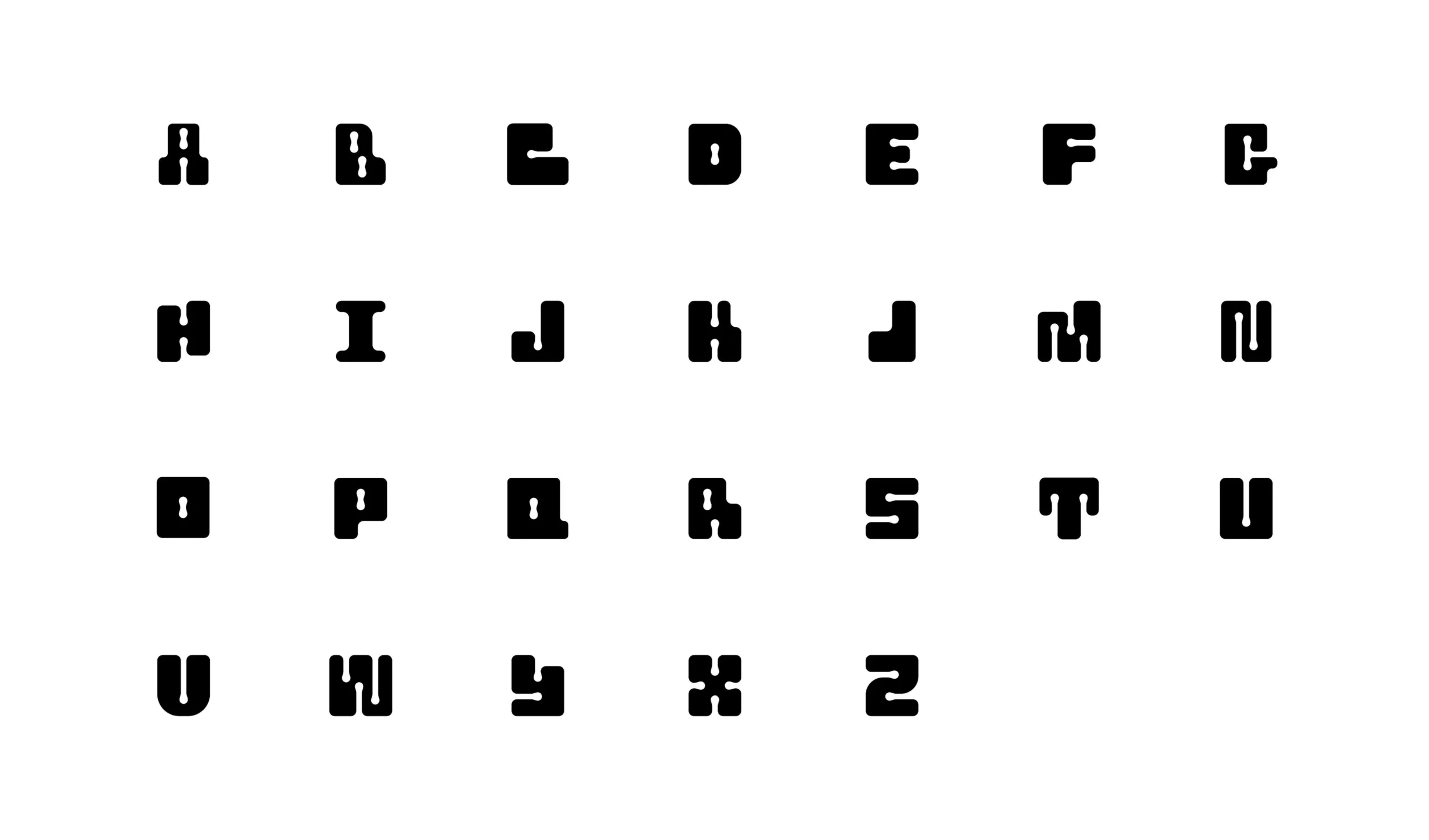
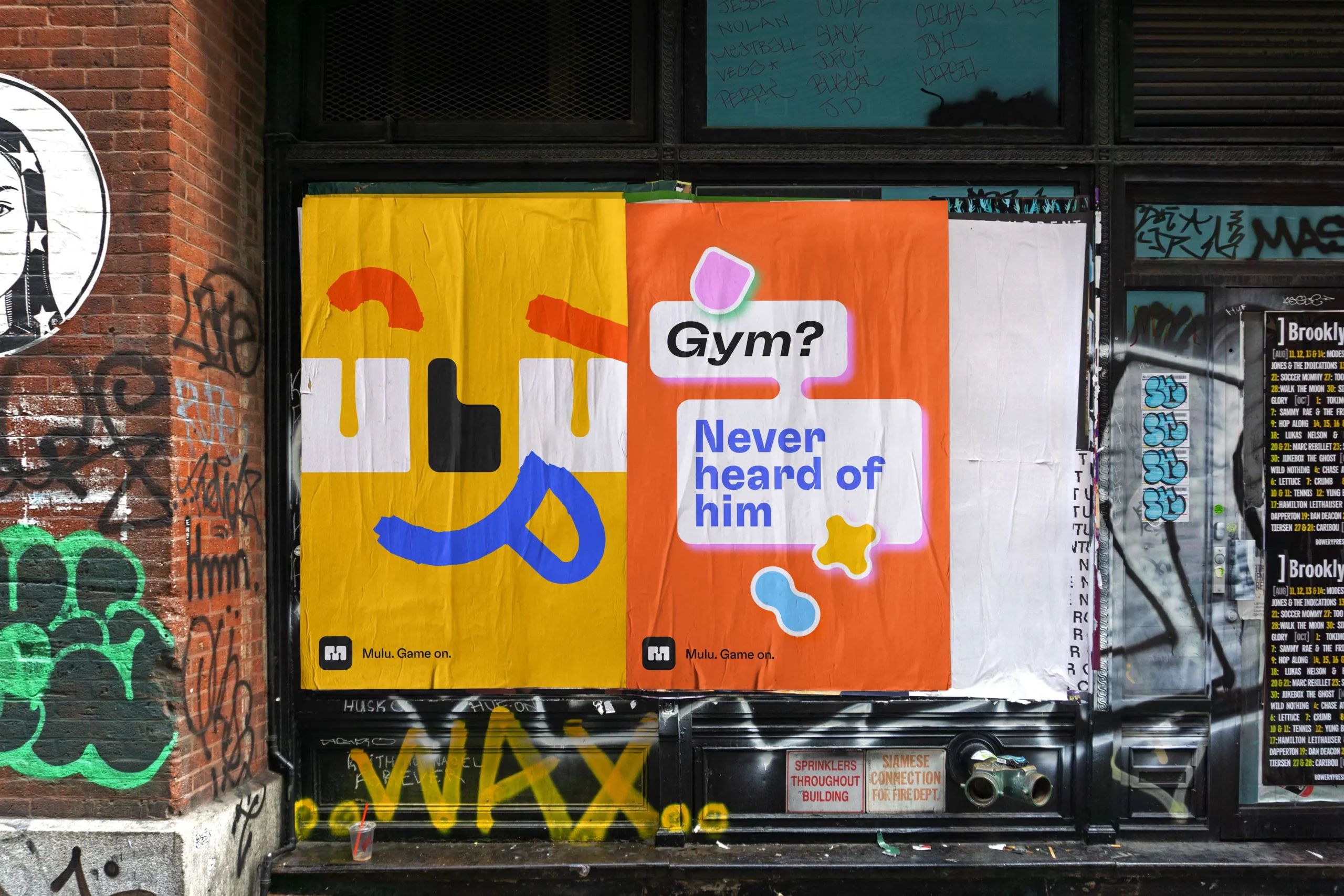
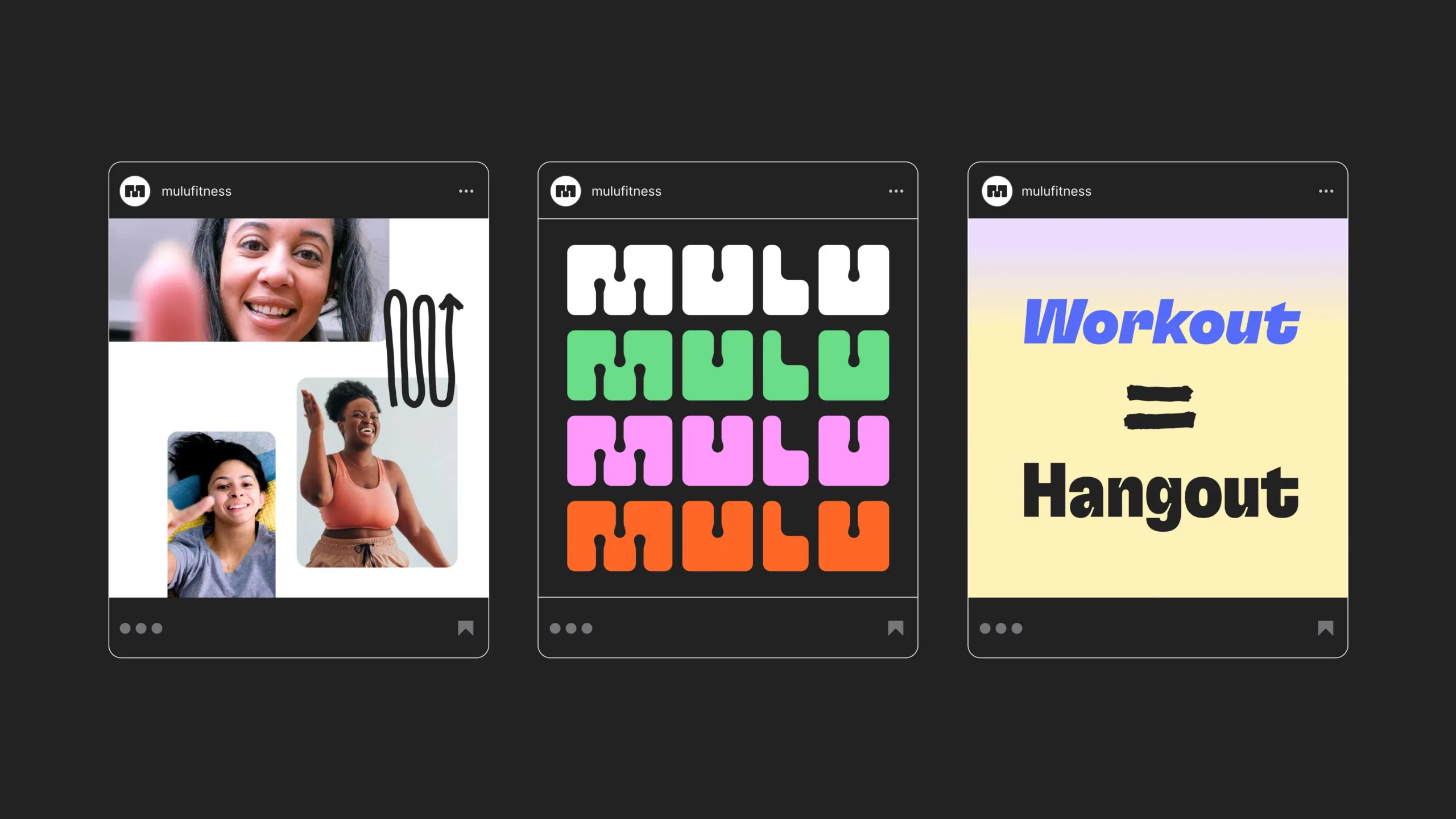
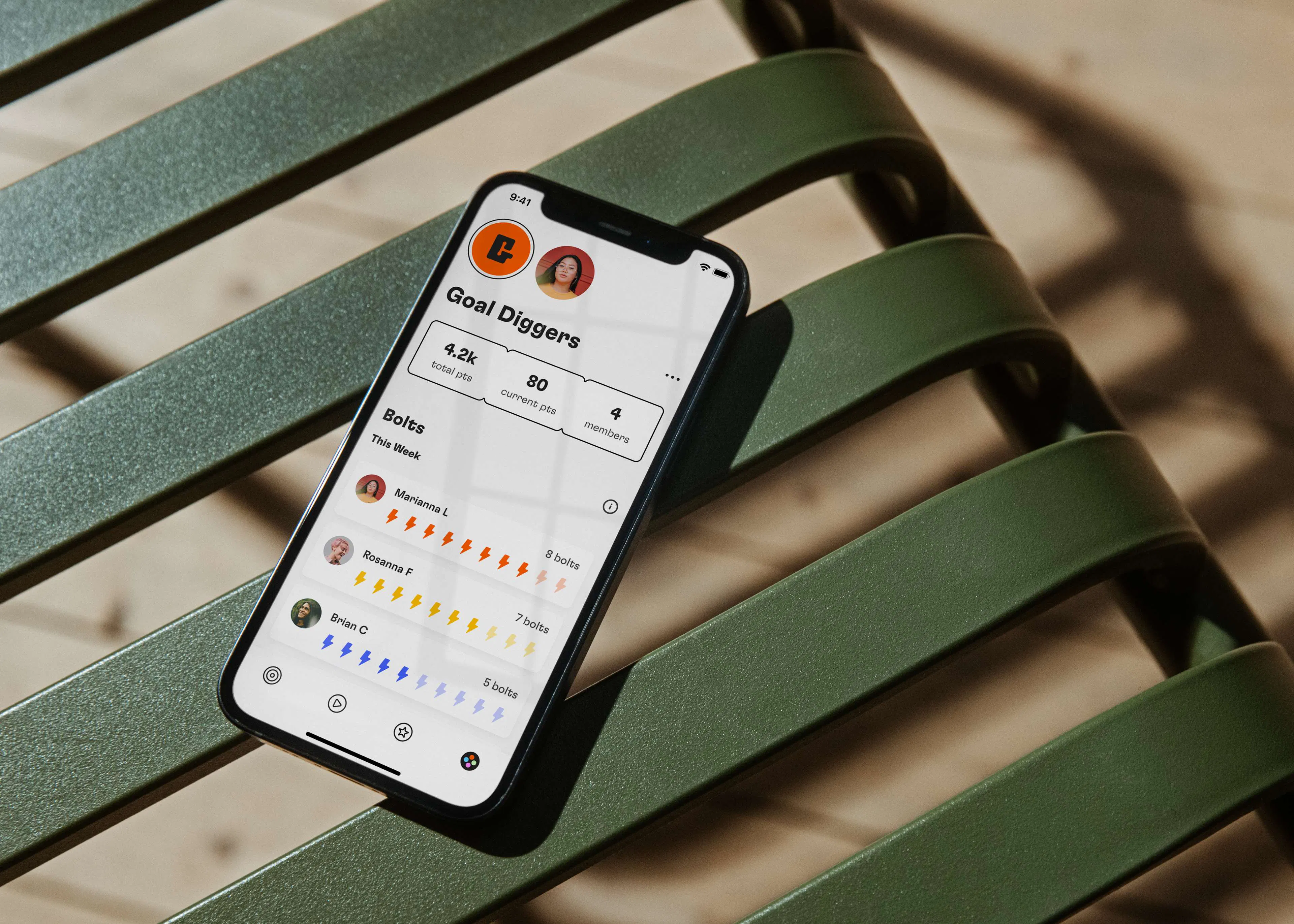
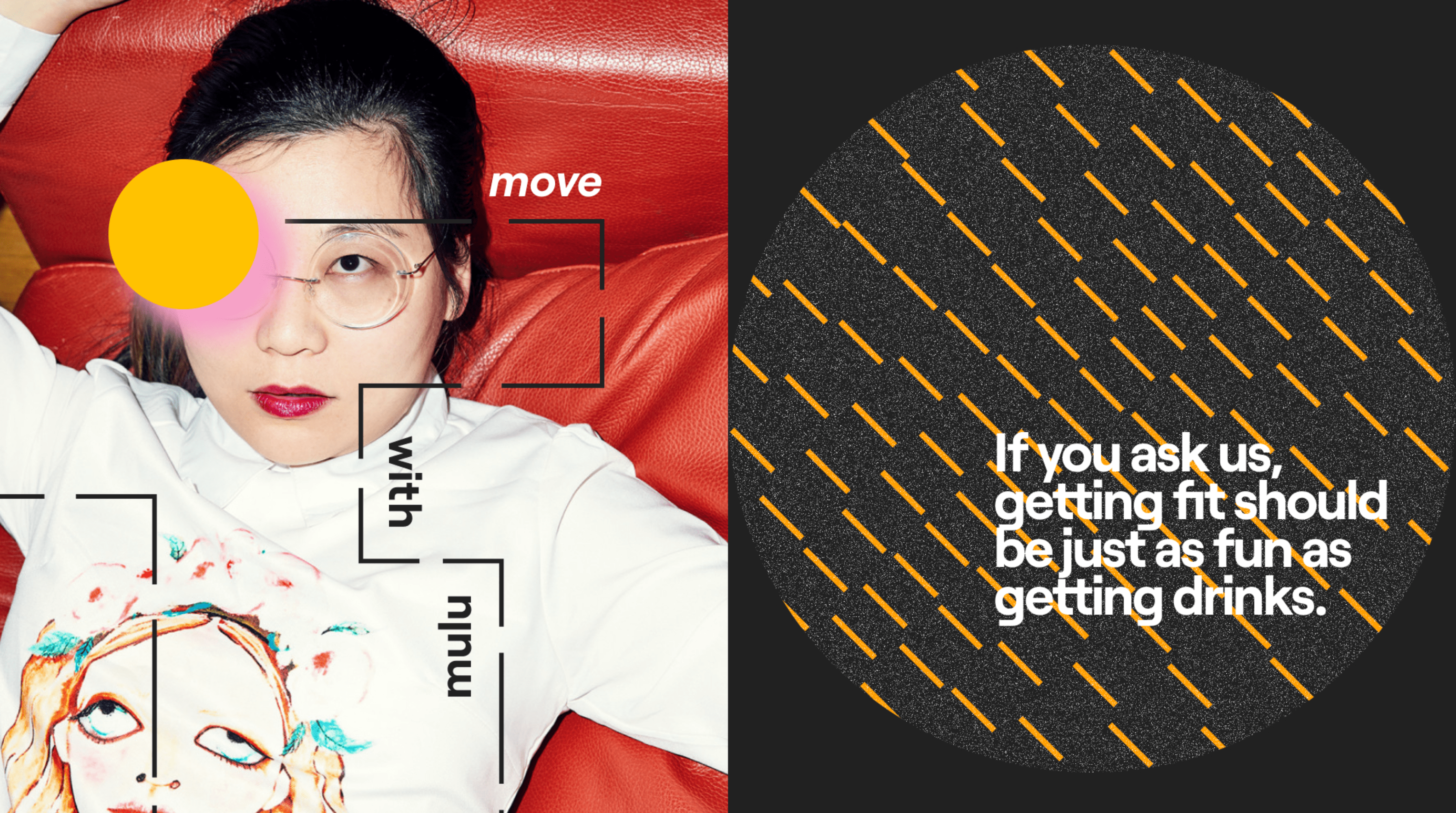
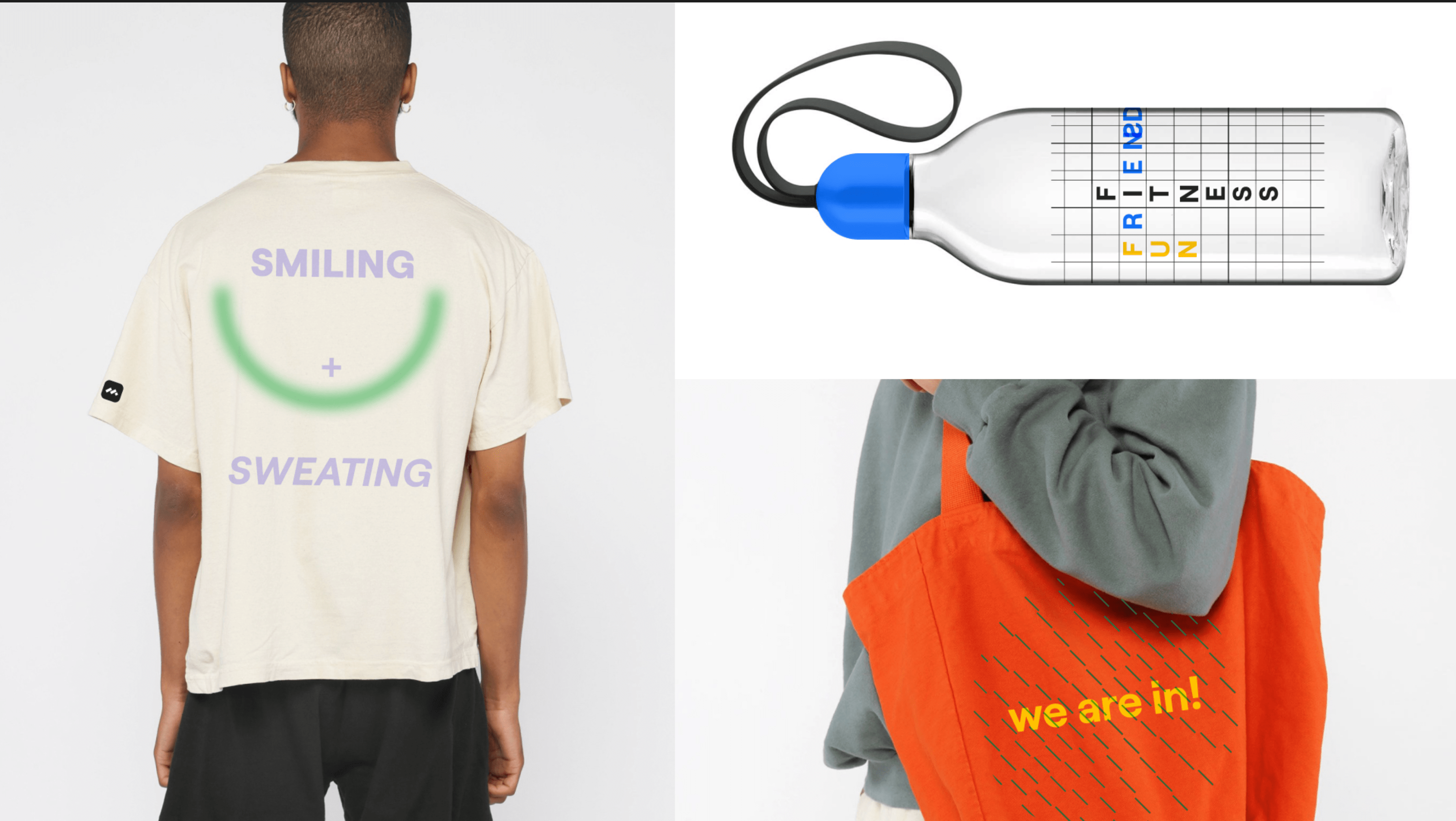
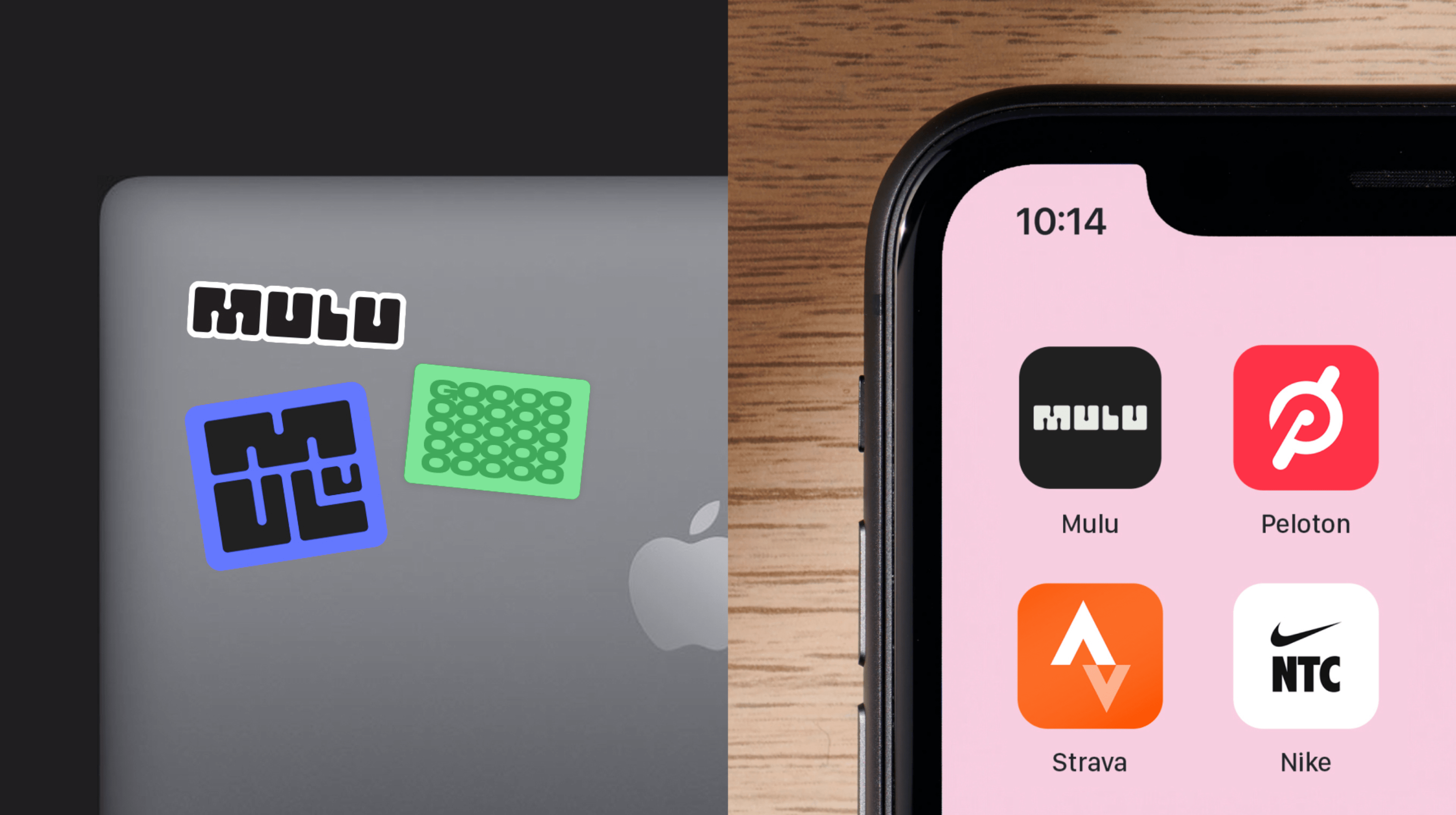
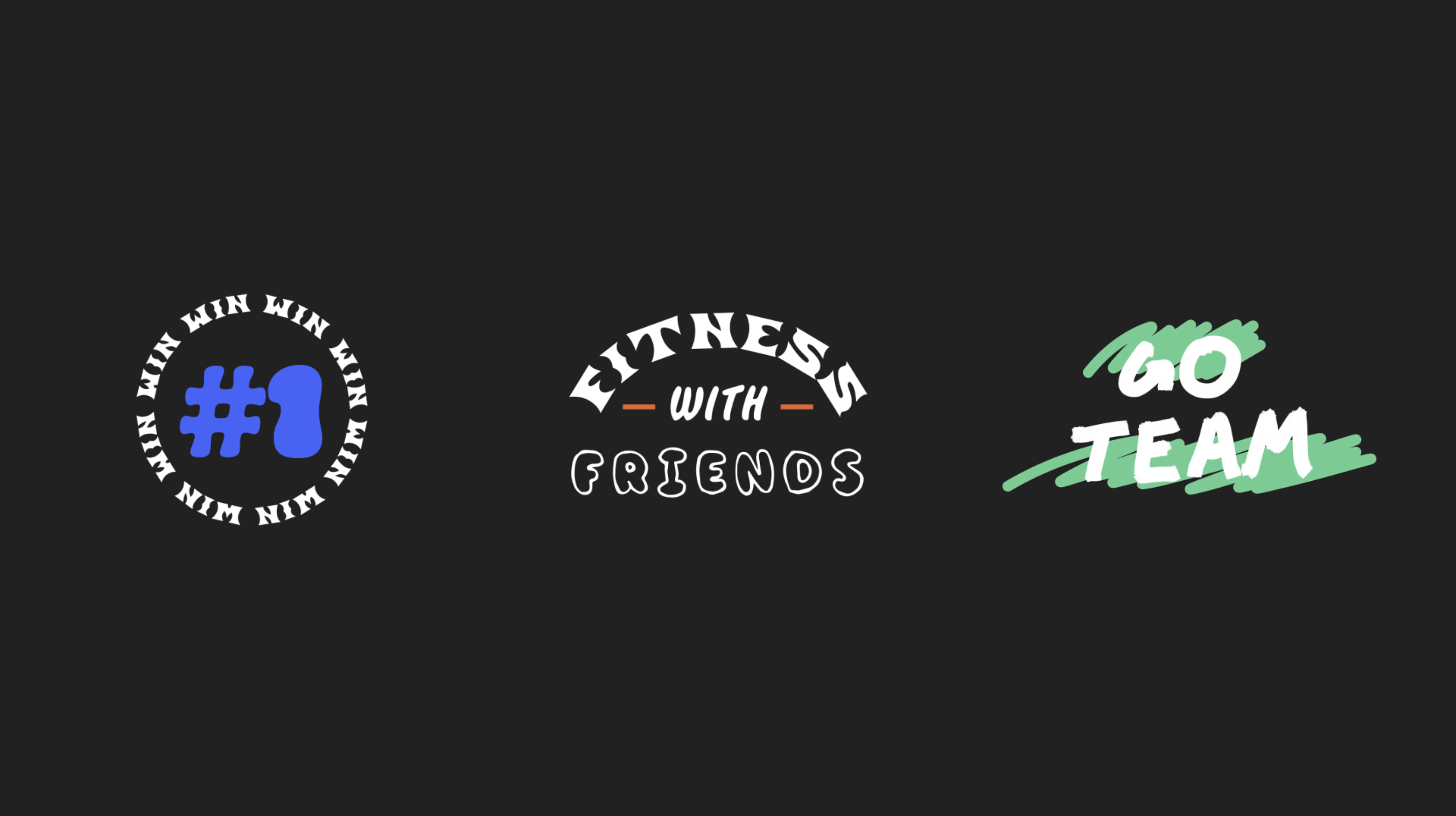
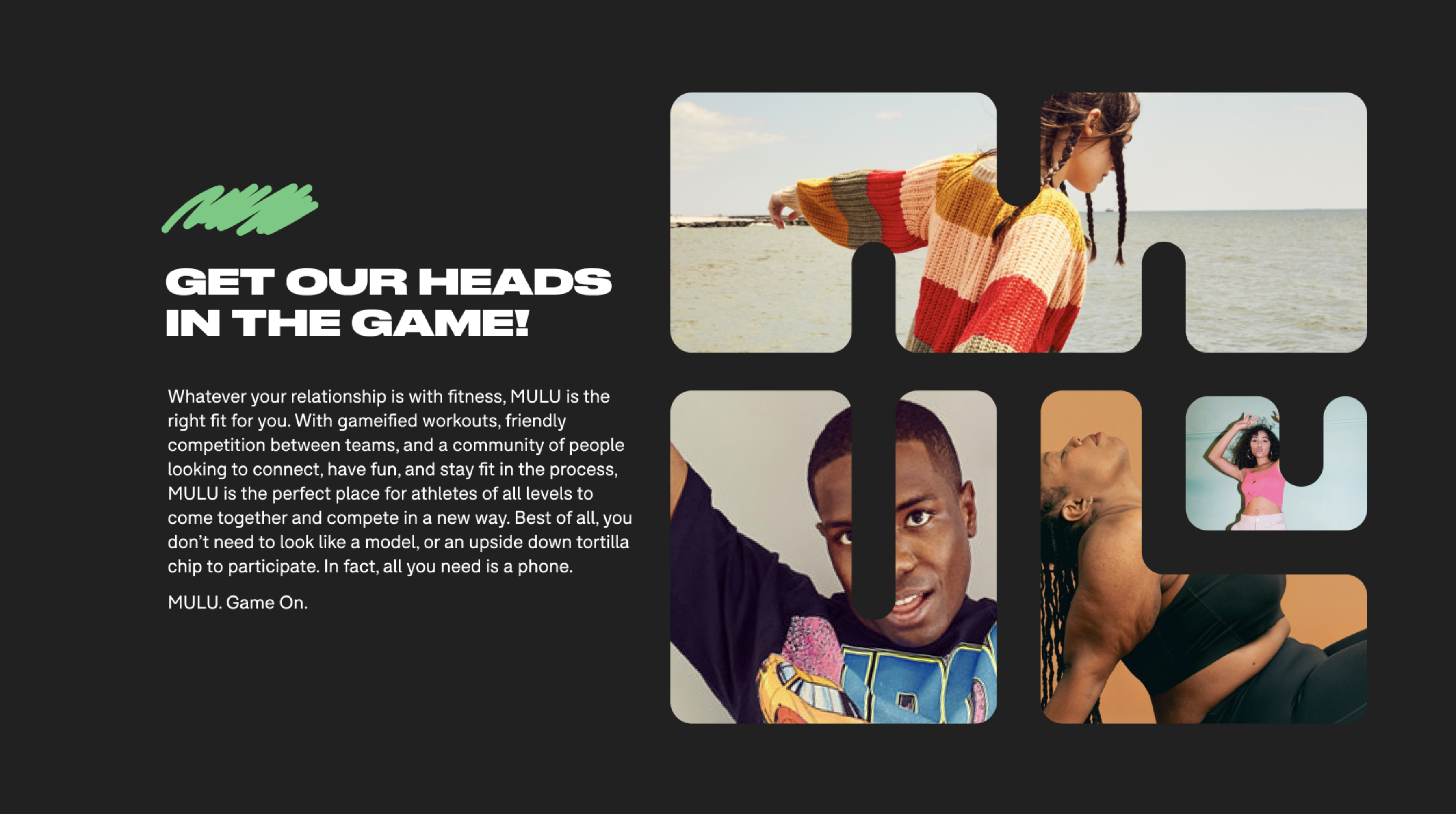
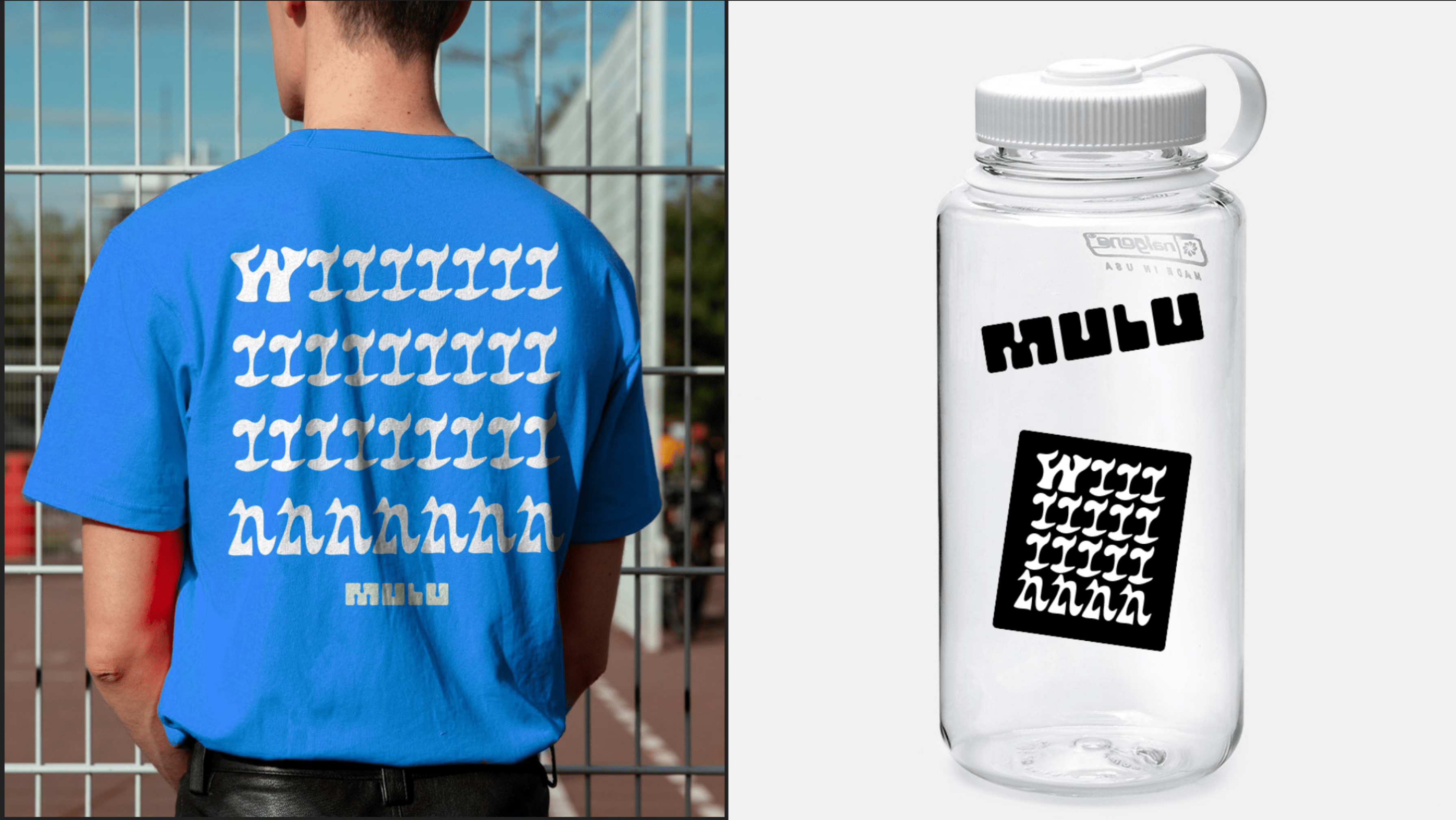
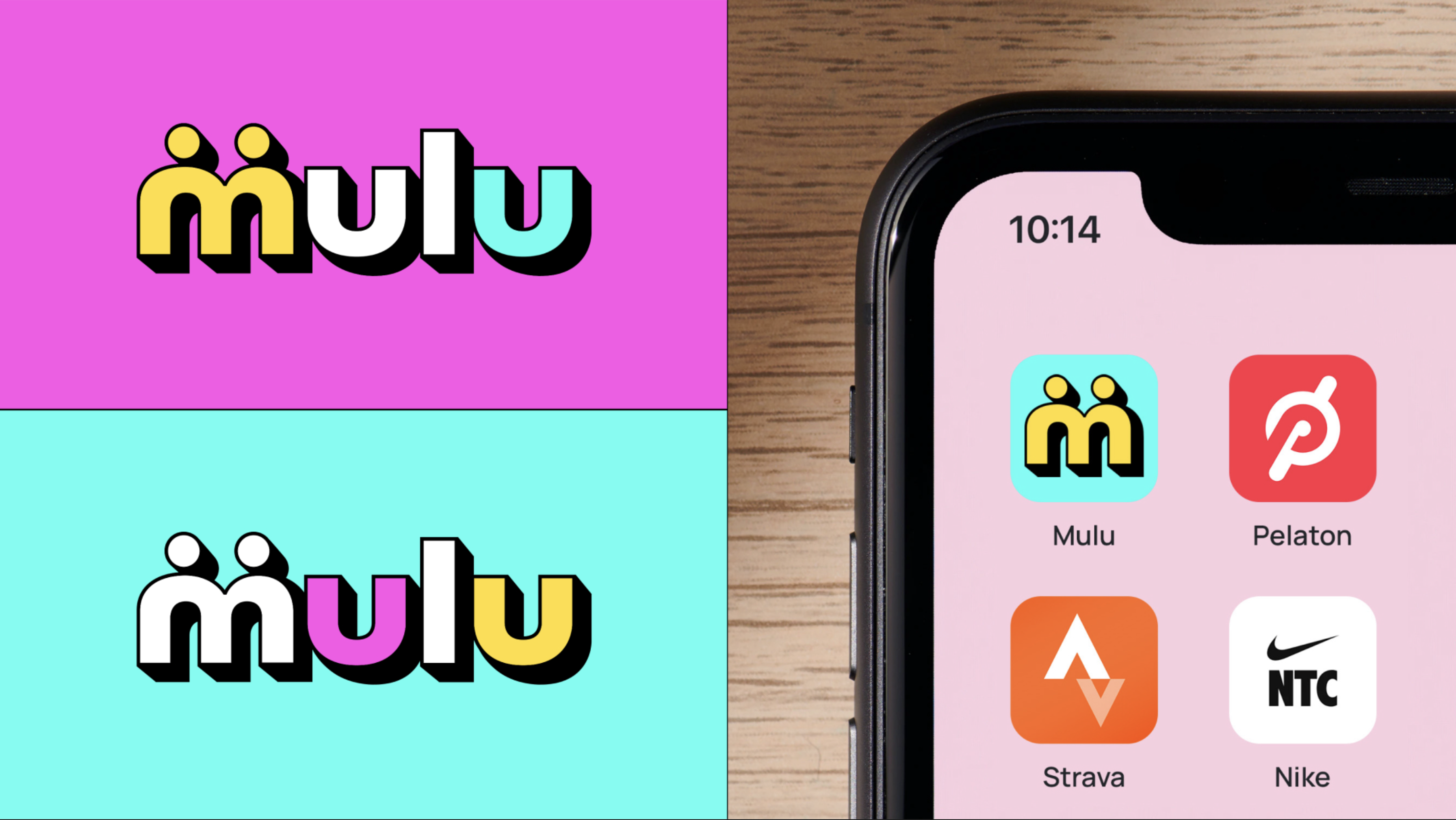
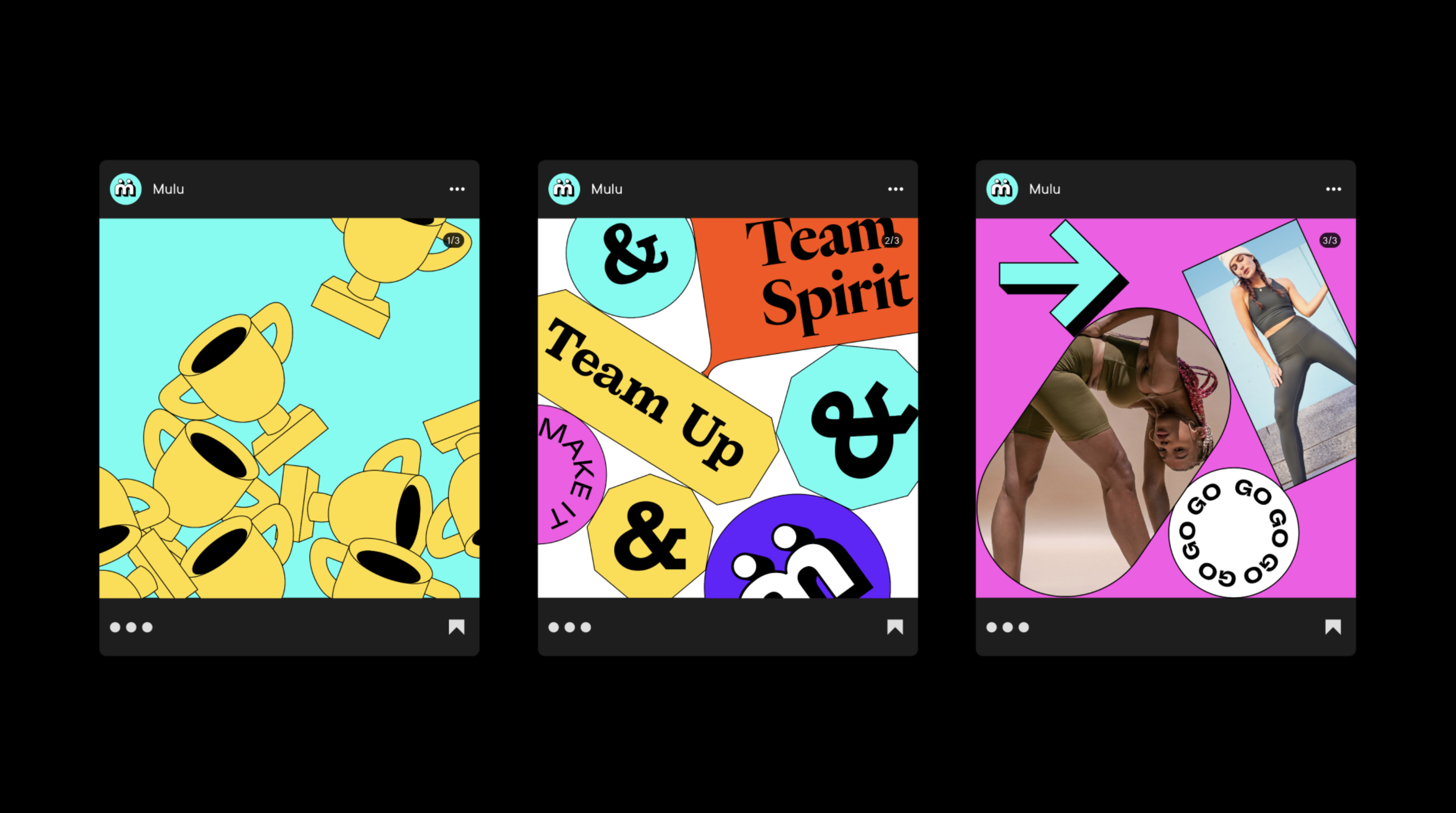
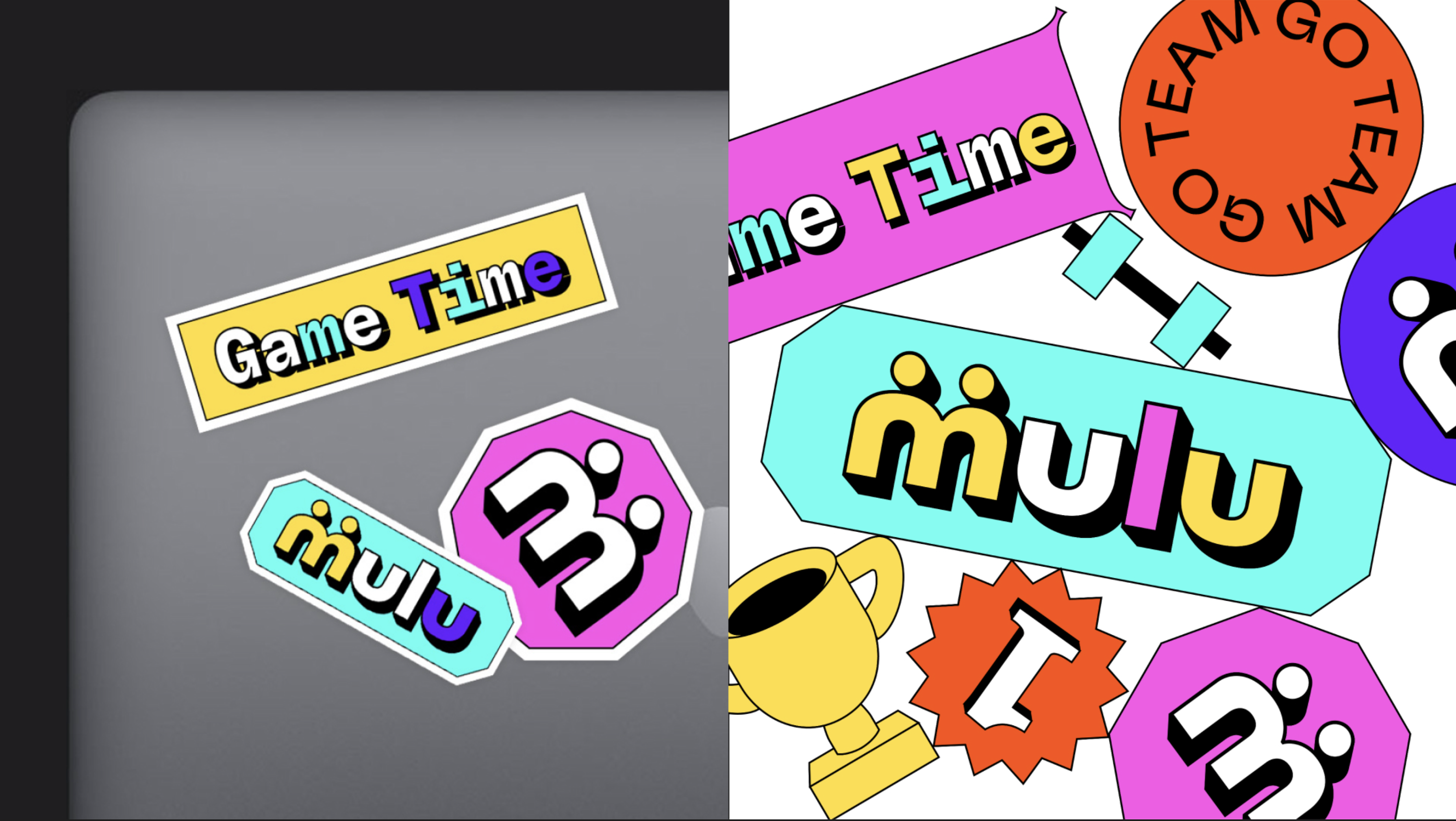
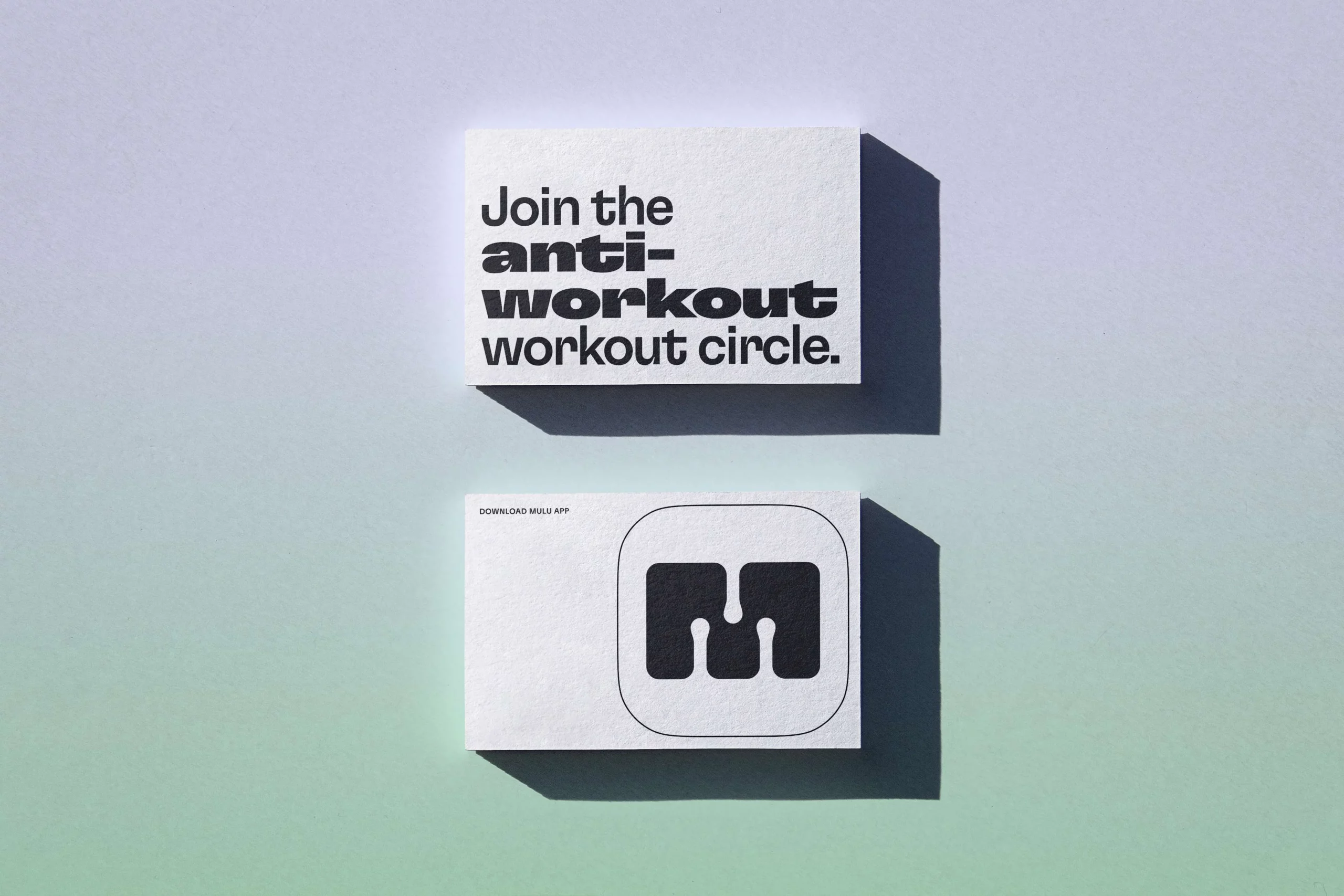
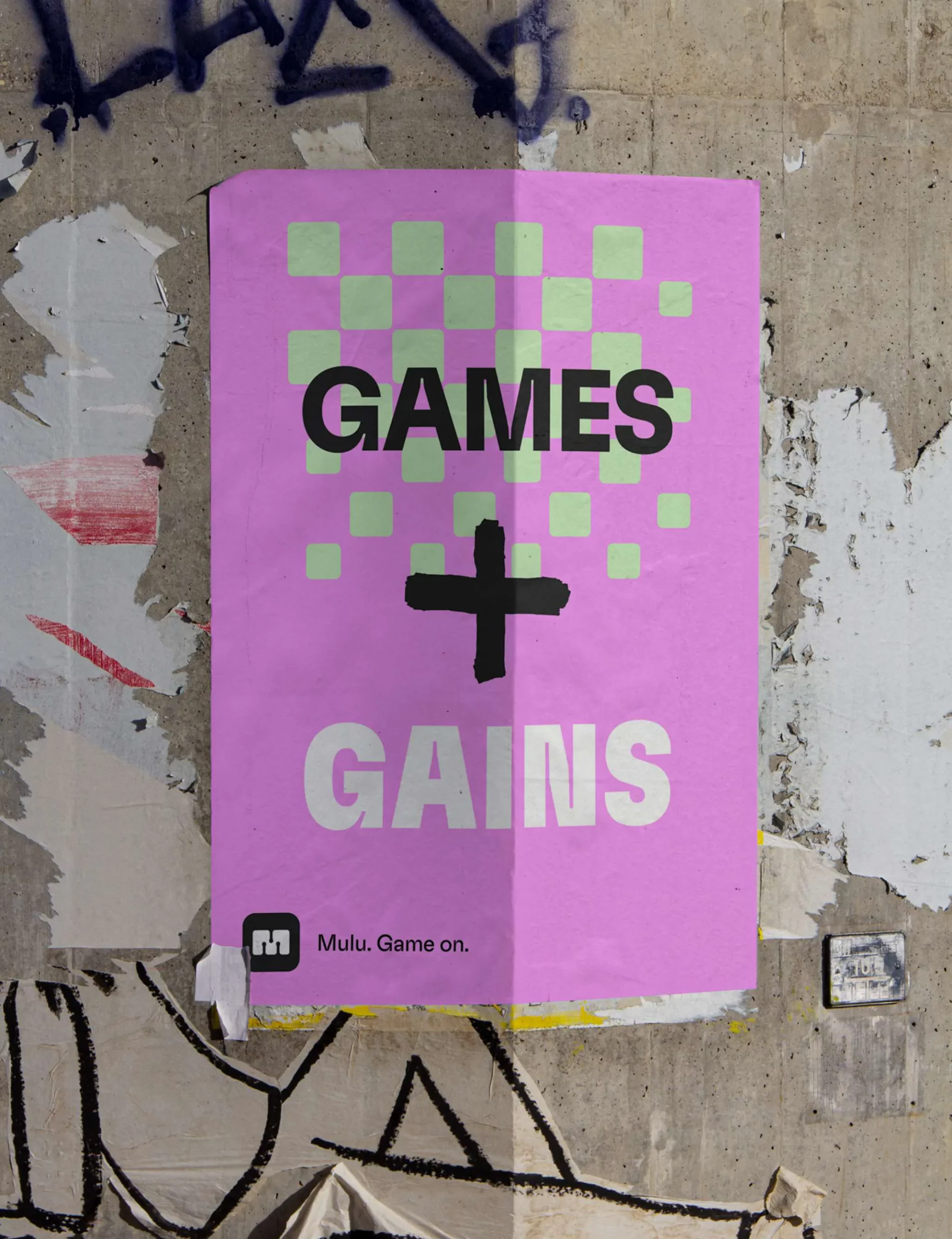
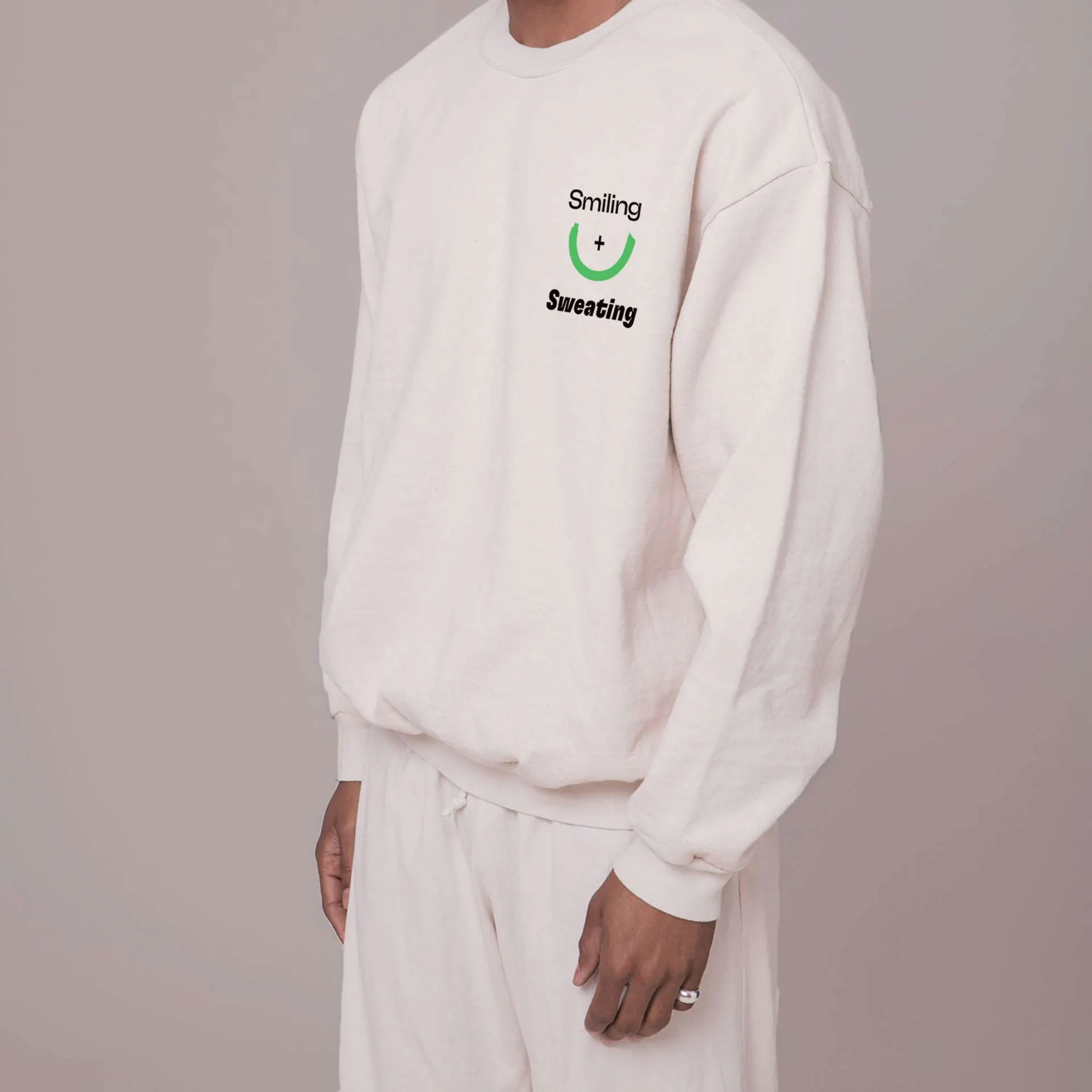
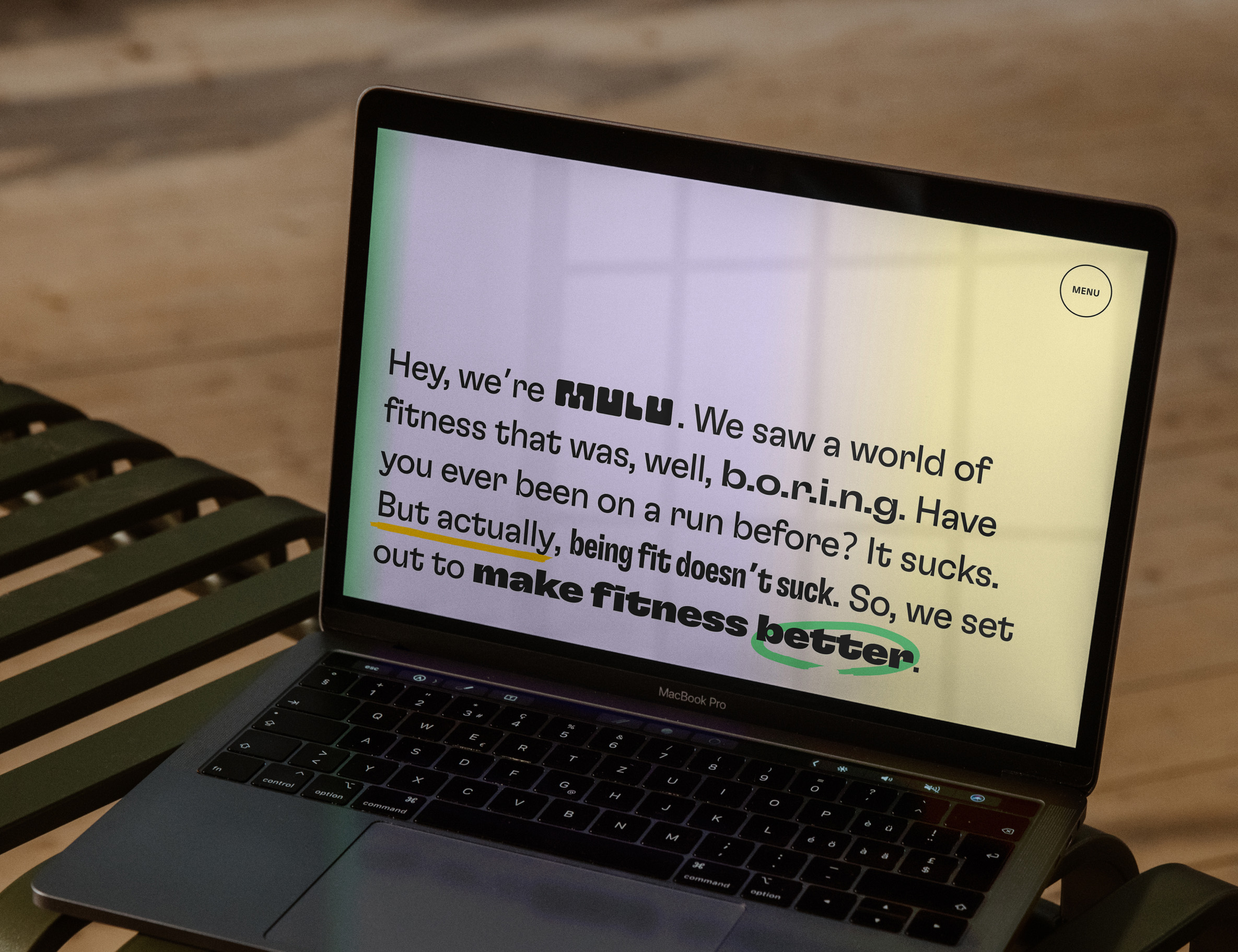
To visually communicate Mulu's approachable ethos, I explored three brand territories—Team Pride, Team Spirit, and Team Play—to test different balances of competition, belonging, and energy. The selected direction paired expressive color, bold typography, playful motion, and inclusive imagery with a voice that felt encouraging rather than elite.
Concept 01: Team Pride
Concept 02: Team Spirit

Concept 03: Team Play

Creative Direction & Agency Handoff
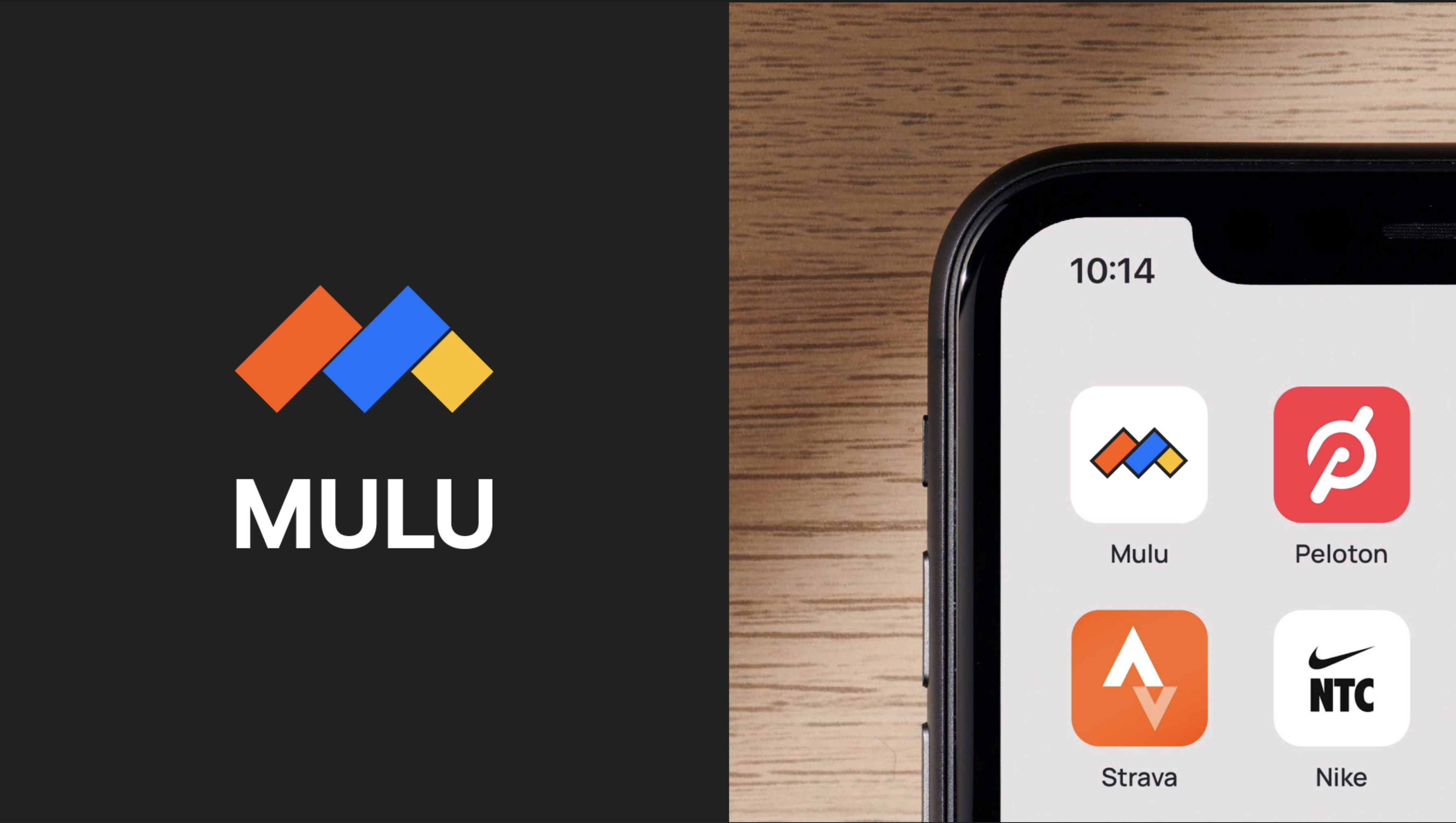
After establishing the core brand identity, I guided the overall creative direction and successfully handed off the final brand concept to an external agency for the broader marketing rollout. At this point, my role pivoted deeply into UI/Product Design, Interaction Design, and front-end engineering. Managing both the creative direction and the technical development for Mulu allowed me to focus heavily on crafting the interactive elements, specifically developing the AR challenges and building out the Swift components, ensuring the initial brand vision translated perfectly into the iOS experience.
Interaction Design & UI Engineering
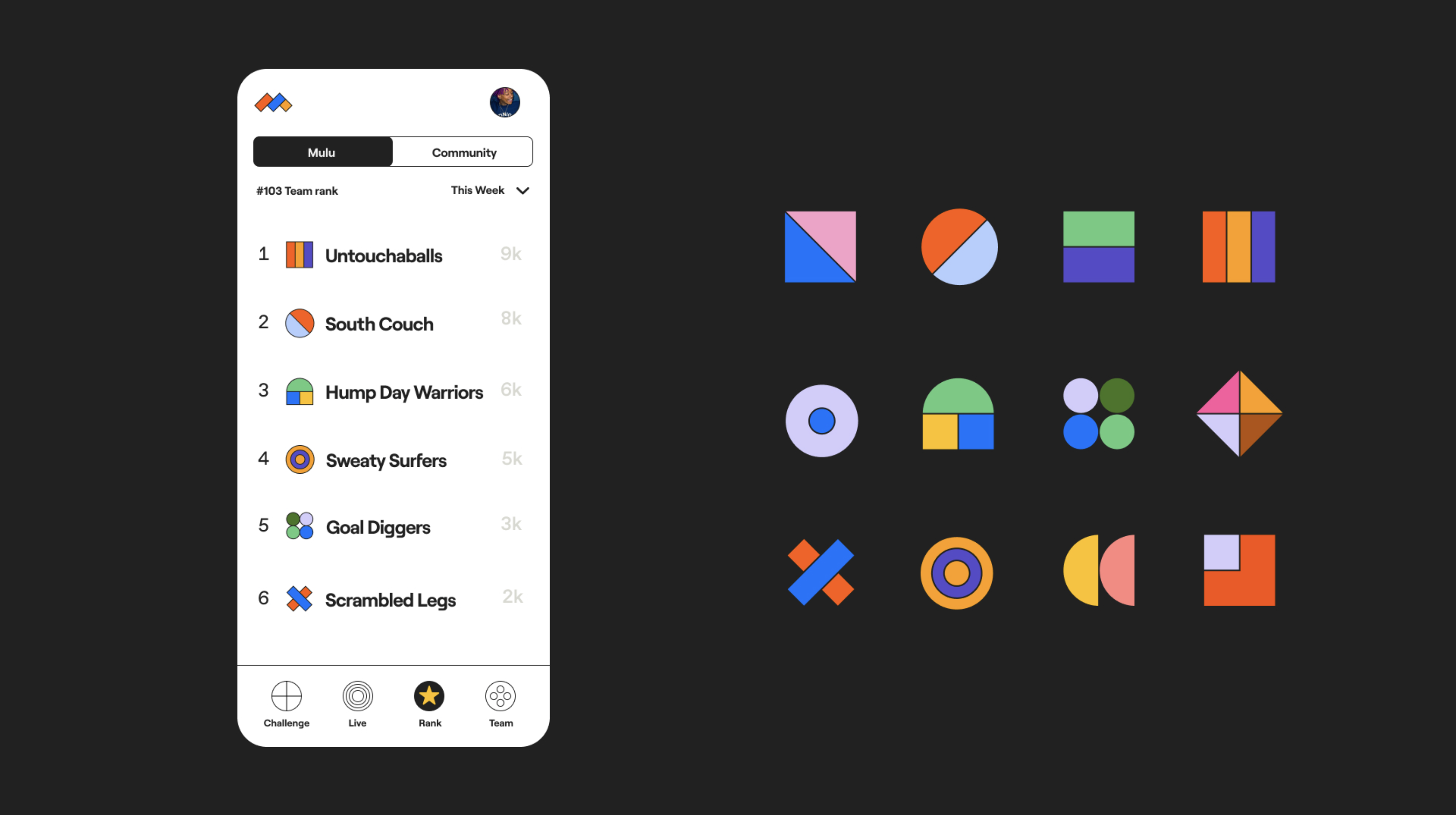
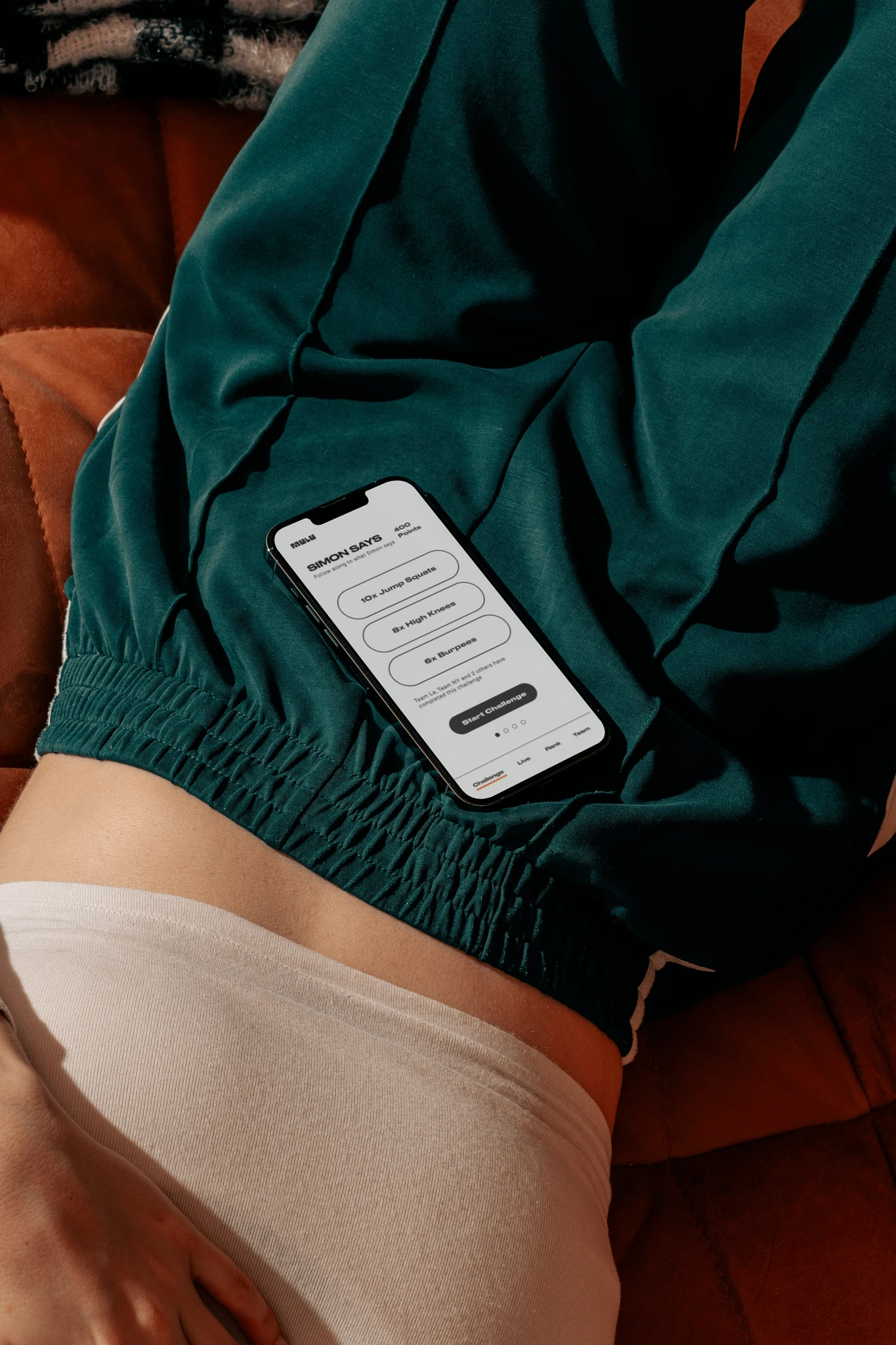
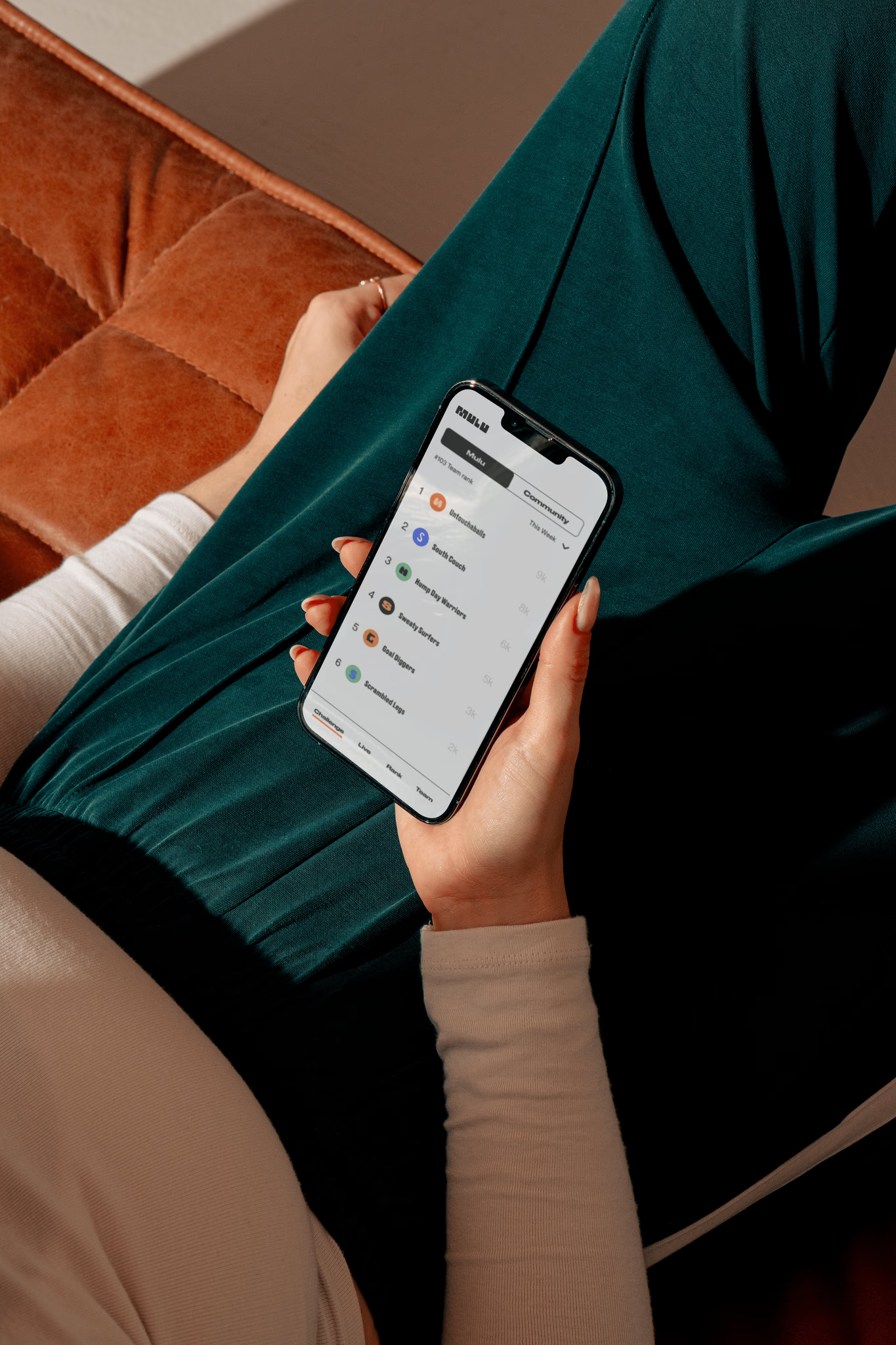
Designing accountability without making the product feel punitive was a delicate balance. I emphasized collective progress, shared streaks, and team milestones rather than aggressive performance scoring. Because I was simultaneously designing the product and writing the front-end code, I was able to rapidly iterate and implement these social mechanics directly in the app. Building the UI myself ensured the visual language stayed energetic, fluid, and inclusive in production without losing fidelity during handoff.
Solving Technical Constraints: AR Calibration
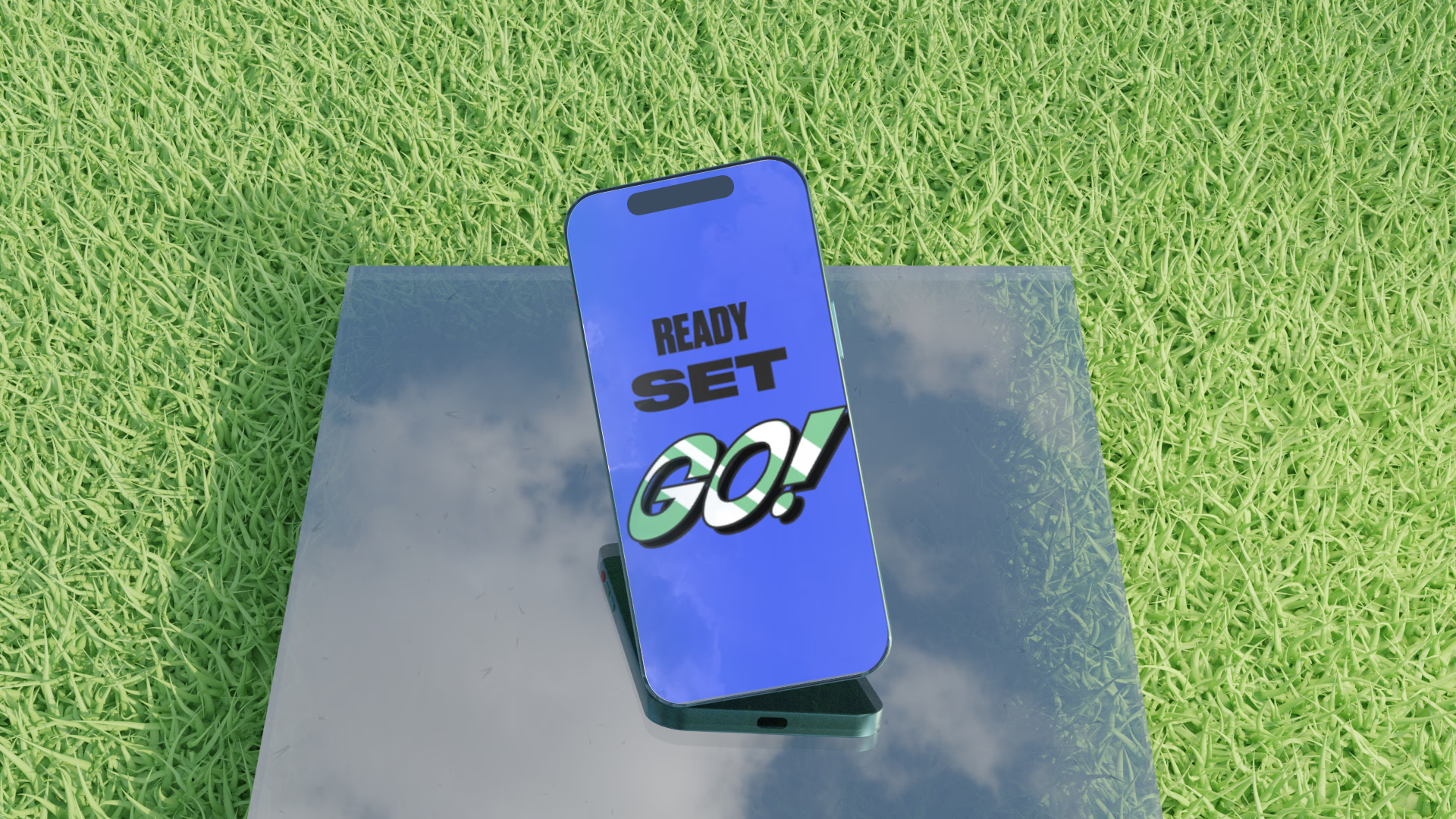
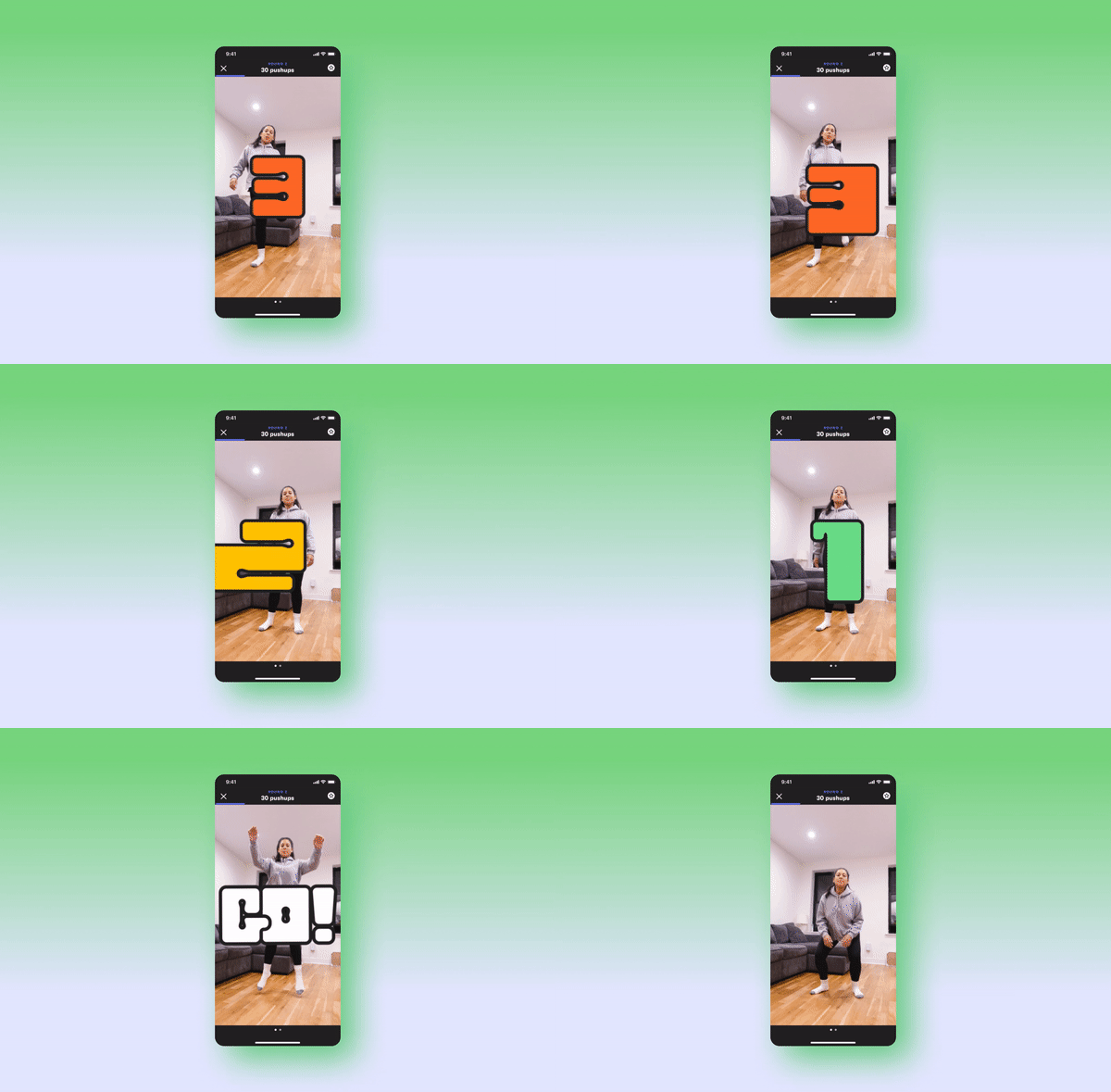
Initial testing showed that users struggled to position their device and body correctly before an AR-assisted challenge. Bridging product design and software engineering, I completely rebuilt the AR challenge implementation. I programmed a guided setup sequence with clearer starting constraints, calibration overlays, and immediate visual feedback. This redesign treated calibration as a seamless part of the workout experience—not a technical interruption users had to decipher before they could begin.
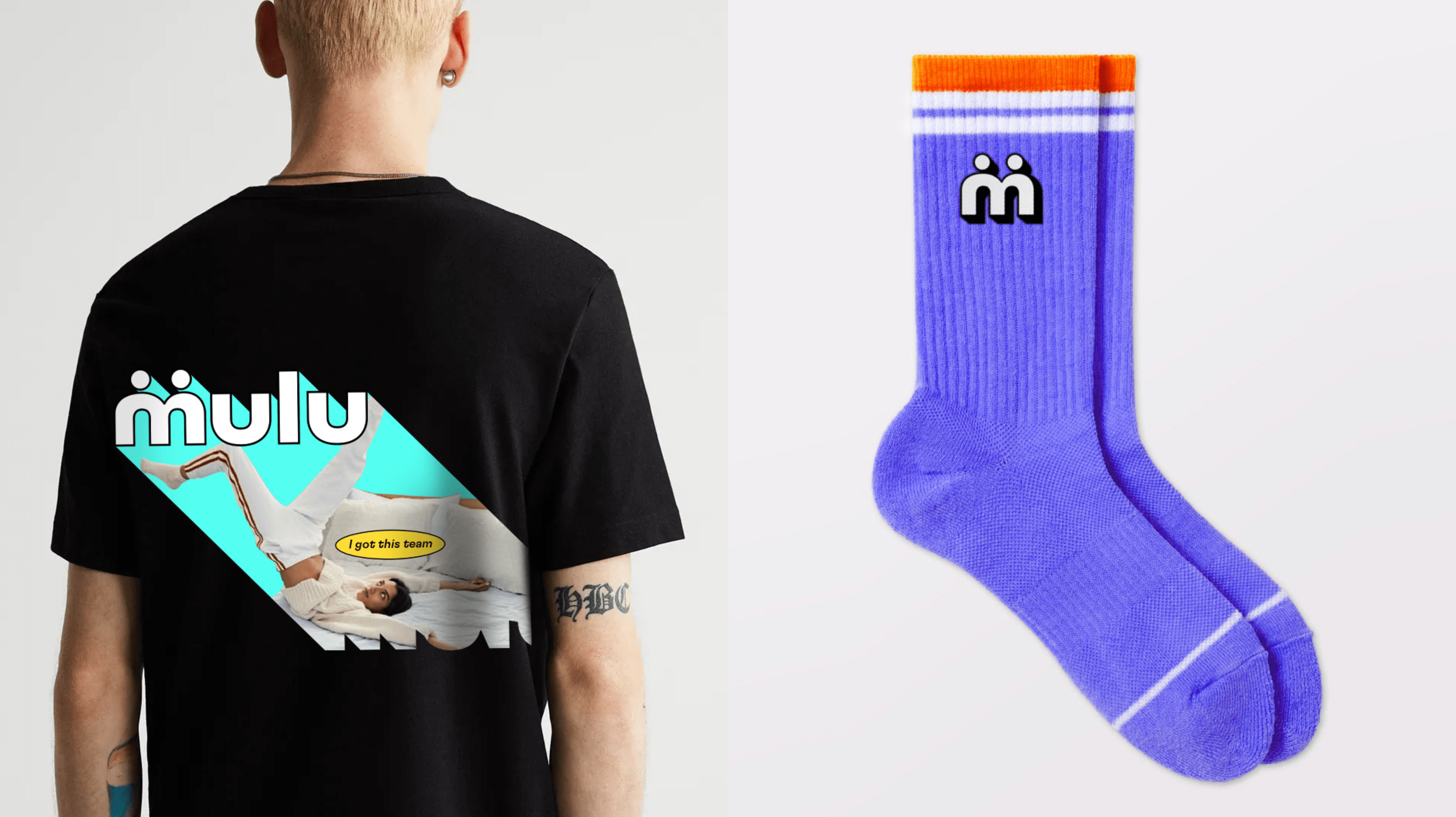
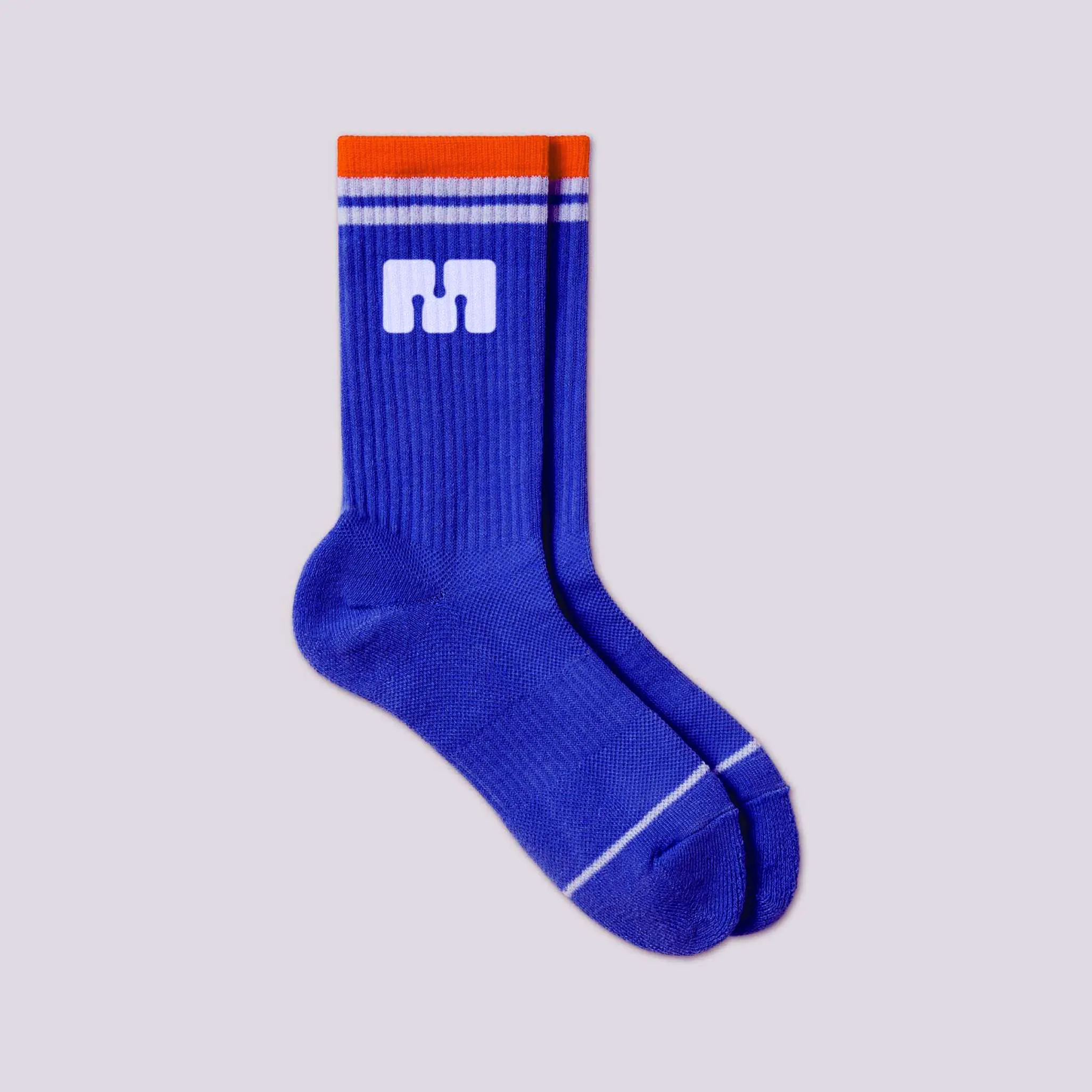
Final Brand Identity & Touchpoints

Outcome & Reflection
Mulu grew an early community of more than 14,000 users and established five university partnerships. The most important lesson was that social motivation depends on psychological safety. Visibility encourages action only when the experience gives users multiple ways to participate without feeling judged. If revisiting the product today, I would pair the qualitative research with clearer cohort instrumentation around team formation, invite conversion, and long-term retention.
Extras & Explorations